Environmental protection equipment supplier

Carbon Adsorber for VOC Abatement Bed Depth EBRT Changeout
You might already know that achieving regulatory compliance while keeping operational costs in check is the biggest challenge in industrial air filtration. But do you know how to truly master Carbon Adsorber for VOC Abatement?
Getting it right is a delicate balance: if you miscalculate your Bed Depth or fail to optimize your Residence Time, you aren’t just wasting media—you’re risking a system failure. From selecting the right carbon to streamlining your Changeout schedule, the details are what prevent expensive downtime and ensure peak performance.
In this guide, I’m breaking down the engineering principles you need to design, size, and maintain a high-efficiency system that actually works for your facility. Let’s dive in.
How Carbon Adsorbers Work for Industrial VOC Abatement
Principles of Activated Carbon Adsorption
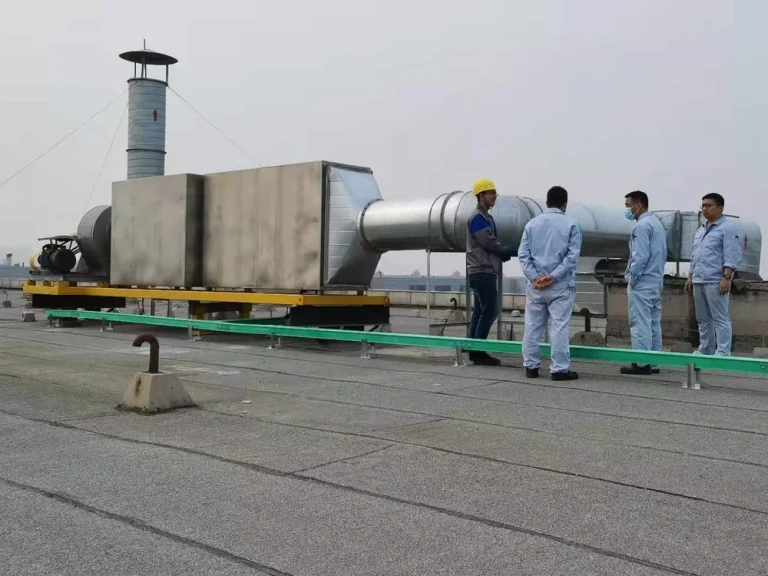
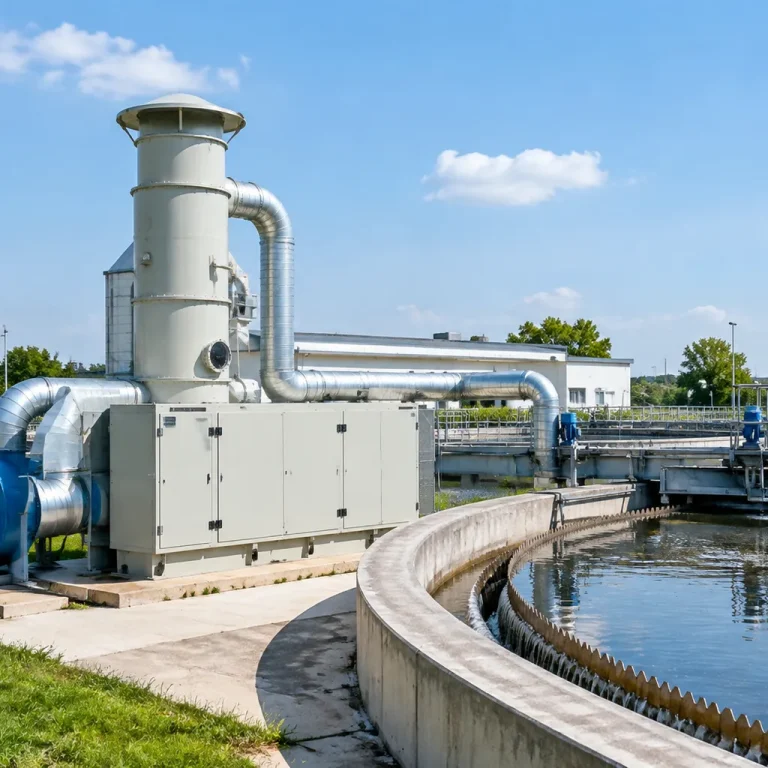
Activated carbon adsorption is a highly efficient process used to remove Volatile Organic Compounds (VOCs) from industrial exhaust streams. The technology relies on the massive internal surface area of activated carbon media, which acts as a molecular sieve. As process air passes through the carbon bed, VOC molecules are trapped and held by physical forces within the micro-pores of the media. This process ensures that treated exhaust meets stringent environmental compliance standards, effectively scrubbing pollutants before they are released into the atmosphere. SOTO Environmental Protection Machinery utilizes optimized airflow designs to maximize this contact between the pollutant-laden gas and the adsorption media.
Key Advantages for Exhaust Gas and Solvent Control
For industries managing solvent recovery or hazardous air emissions, activated carbon systems provide distinct operational benefits:
- High Removal Efficiency: Capable of achieving high-percentage VOC capture, ensuring consistent adherence to local and international emission regulations.
- Versatility: Suitable for a wide range of organic compounds across various industrial sectors.
- Operational Reliability: Industrial-grade construction ensures durability for continuous use in demanding manufacturing environments.
- Scalability: Systems can be engineered to handle varying air volumes and concentrations, tailored to the specific output of the facility.
System Configurations: Fixed-Bed Towers vs. Modular Adsorbers
Engineering an effective VOC abatement solution requires choosing the right vessel configuration based on the facility’s specific throughput and spatial requirements.
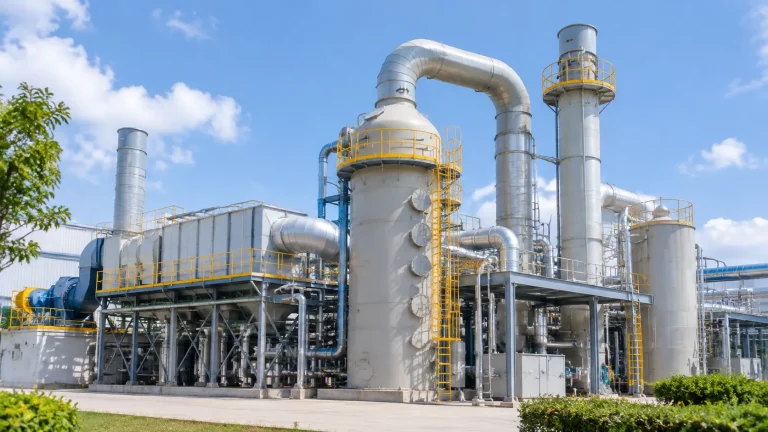
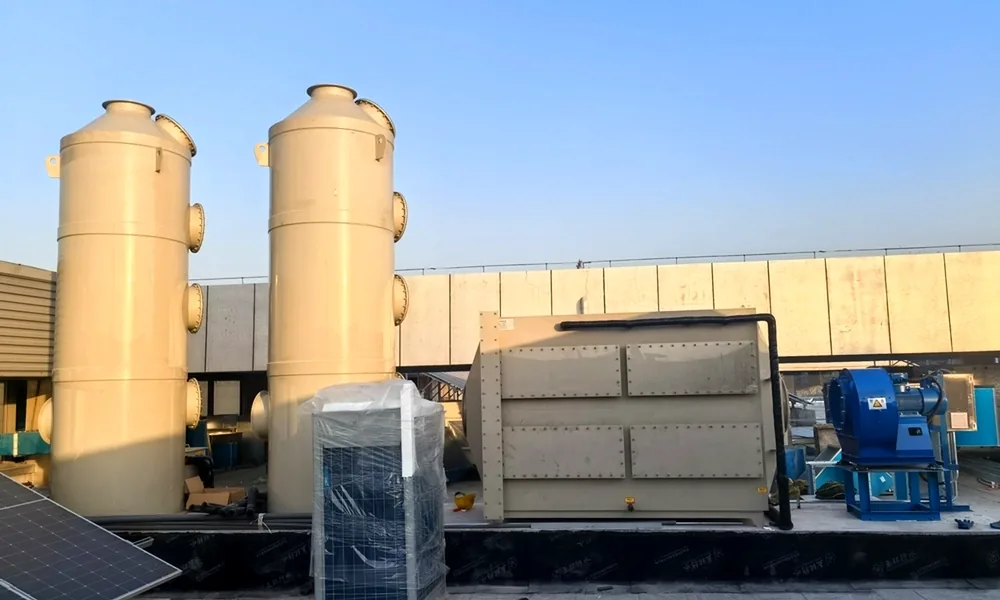
- Fixed-Bed Towers: These are generally designed for high-capacity, long-term operations where large volumes of air require consistent processing. They provide a stable, deep-bed environment that optimizes contact time for steady-state emission sources.
- Modular Adsorbers: These systems offer greater flexibility. Their modular structure allows for easier installation and potential expansion, making them an ideal choice for facilities with varying floor plans or those requiring a more compact footprint.
SOTO provides custom engineering services to determine the most appropriate configuration, ensuring that the integration of design, airflow management, and media capacity aligns with the facility’s operational goals.
Engineering Bed Depth for Optimal VOC Capture
To ensure reliable volatile organic compounds (VOC) removal, we prioritize precise engineering of the carbon bed. Our approach balances physical dimensions with the chemical dynamics of your specific exhaust stream.
Mass Transfer Zone (MTZ) and Breakthrough Mechanics
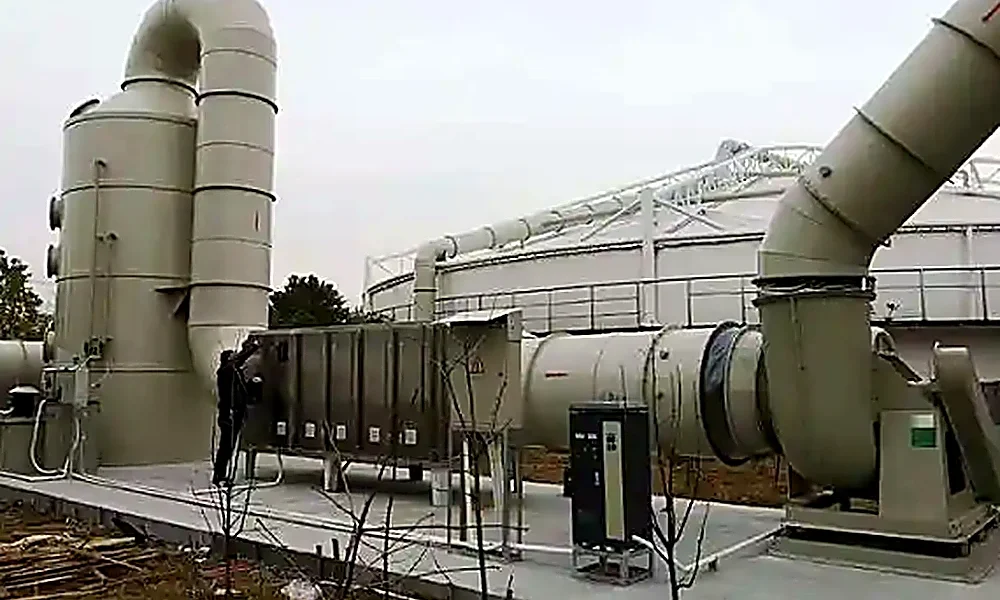
The effectiveness of an activated carbon adsorption unit relies on the Mass Transfer Zone (MTZ). This is the active area within the carbon bed where the VOC concentration drops from the inlet level to near zero. As the carbon becomes saturated, this zone moves through the bed. We engineer bed depth to ensure the MTZ remains contained within the vessel for a target duration, preventing premature breakthrough where untreated pollutants escape into the exhaust.
Balancing Pressure Drop Against Removal Efficiency
Increasing bed depth extends contact time and improves efficiency, but it also increases resistance to airflow. Our design process strictly balances these factors:
Deep Beds: Provide superior removal capacity but require more powerful blowers to overcome increased pressure drop.
Shallow Beds: Minimize energy consumption but risk early breakthrough if pollutant concentrations spike.
We optimize these variables to maintain high removal rates while keeping operational energy costs manageable for your facility.
Sizing Bed Depth Based on Airflow Velocity and VOC Load
We size every system based on the specific industrial air volume and the characteristics of the pollutant. Our engineering team calculates the required bed depth by analyzing:
Face Velocity: Keeping the speed of the air passing through the media within a range that maximizes contact without causing channeling.
VOC Concentration: Higher loads require deeper beds to provide sufficient adsorption surface area before saturation.
By aligning these technical parameters, we ensure the system provides consistent performance under your specific operational conditions.
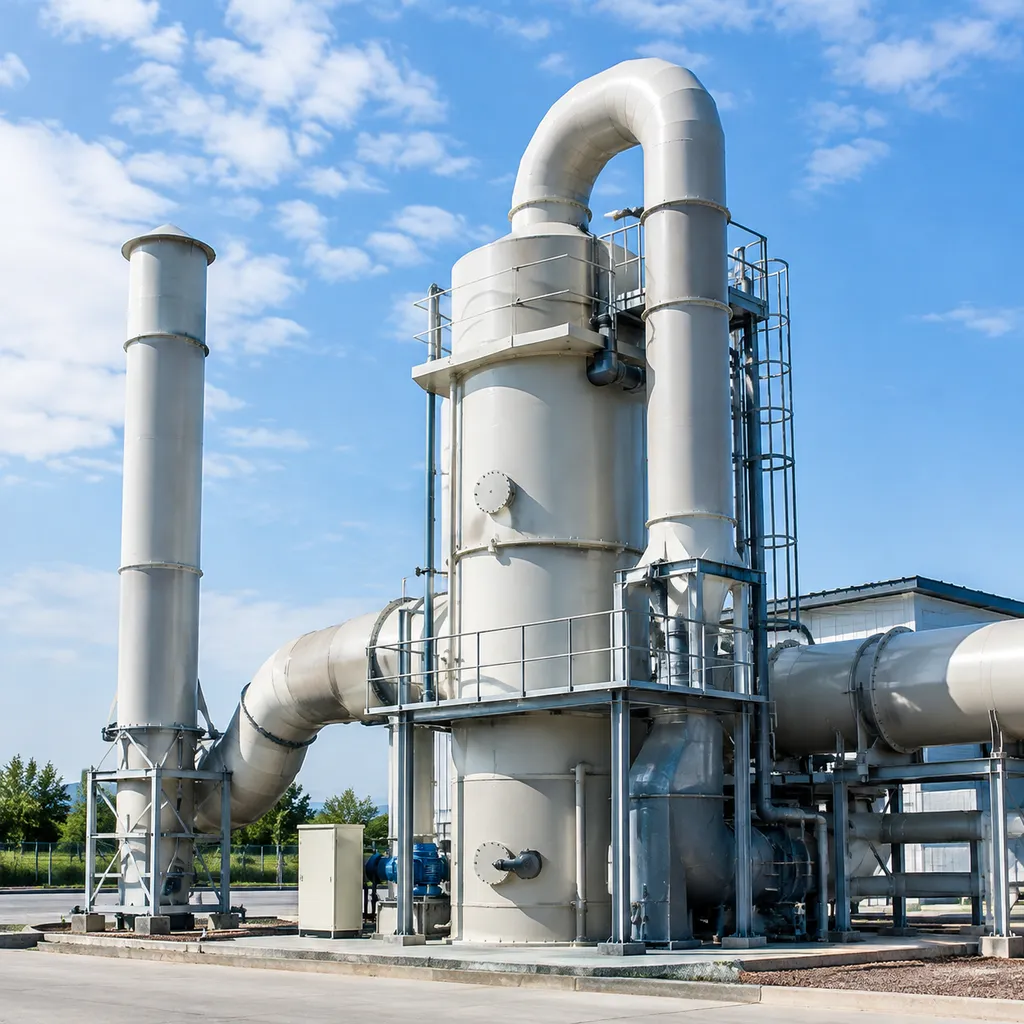
Calculating Empty Bed Residence Time (EBRT)
Empty Bed Residence Time (EBRT) defines the exact duration contaminated air spends inside the activated carbon matrix, assuming no media is present. In our engineering practice at SOTO, calculating the correct residence time ensures your carbon adsorber for VOC abatement captures volatile organic compounds completely before clean exhaust exits the stack.
Defining Residence Time and Superficial Gas Velocity
We size carbon vessels by pairing residence time with superficial gas velocity, also known as face velocity:
- Superficial Gas Velocity ($v_s$): The total airflow rate divided by the cross-sectional area of the carbon bed. We keep this velocity controlled—typically between 0.3 and 0.5 m/s (60 to 100 ft/min)—to prevent fluidization and avoid excessive static pressure drops across the vessel.
- Empty Bed Residence Time (EBRT): Calculated as the carbon bed volume divided by the volumetric exhaust flow rate.
- Engineering Balance: A higher face velocity requires a deeper bed to maintain the target contact time, while a lower velocity permits a shallower footprint but demands a wider vessel cross-section.
Achieving the right balance prevents premature breakthrough while keeping fan power consumption at practical levels.
Recommended EBRT Benchmarks by Contaminant Type
Different volatile species diffuse into the micropores of activated carbon at varying rates. When we design turnkey units tailored to your airstream, we apply established contact time benchmarks aligned with proven industrial off-gas treatment systems standards and sizing:
- Aromatic Hydrocarbons (Benzene, Toluene, Xylene): High molecular weight and strong affinity for carbon pores; generally require an EBRT of 1.0 to 2.0 seconds.
- Alcohols, Esters, and Ketones (Ethanol, Ethyl Acetate, MEK): Moderate adsorption affinity; require an extended EBRT of 1.5 to 3.0 seconds to prevent desorption during load spikes.
- Chlorinated and Halogenated Solvents: Heavy molecules that pack well into micro-porous carbon; require 1.5 to 2.5 seconds depending on process temperature.
- Complex Multi-Component Solvent Blends: Industrial printing and coating streams with broad boiling-point distributions; engineered with a safe margin of 2.0 to 4.0 seconds.
Impact of Temperature, Humidity, and Competitor Gases on Contact Time
Laboratory values rarely match raw industrial exhaust. We adjust contact time calculations to handle operational variations that undermine carbon capacity:
- Relative Humidity (RH > 60%): Water vapor competes directly with non-polar VOC molecules for adsorption pores. When relative humidity exceeds 60%, water condensation blocks pore networks, cutting working capacity in half and demanding longer residence times or pre-treatment dehumidification.
- Inlet Gas Temperature (> 40°C / 104°F): Adsorption is an exothermic process. Higher exhaust temperatures drive solvent vapors out of the media, shortening effective service life and requiring larger bed volumes.
- Competitive Adsorption (High- vs. Low-Boiling Species): Heavy organic molecules displace lighter, volatile compounds back into the airstream. Our systems account for this displacement by extending bed depth, providing a sufficient mass transfer zone so displaced compounds readsorb before reaching the outlet.
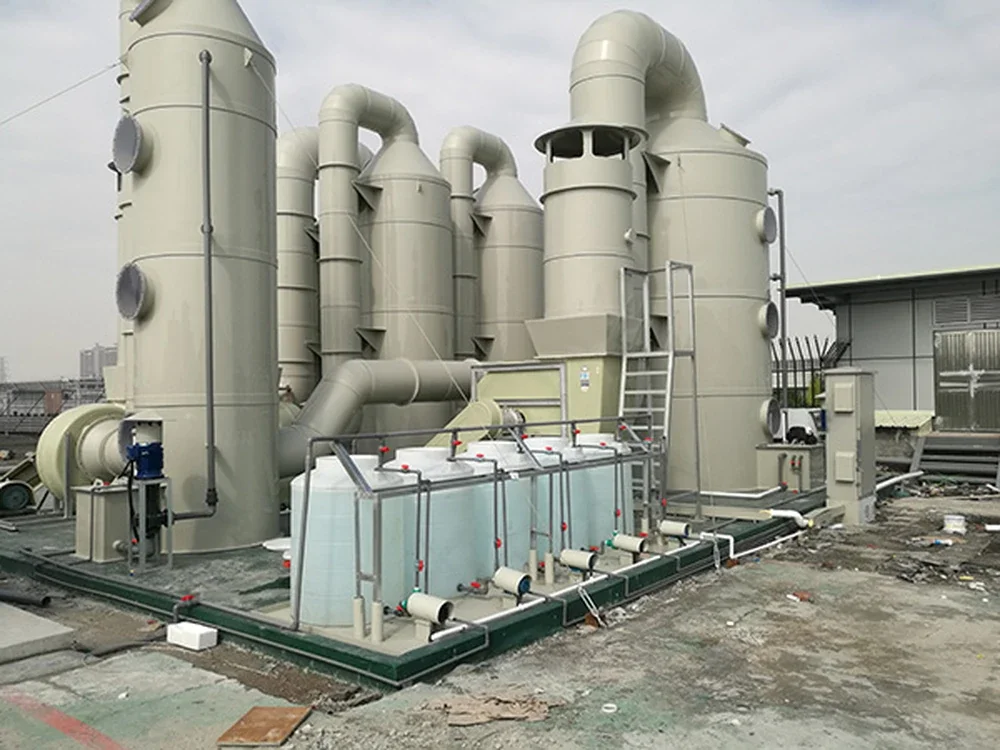
Selecting Activated Carbon Media by Material and Form
Choosing the right media inside our https://www.soto-epmachinery.com/waste-https://www.soto-epmachinery.com/waste-gas-treatment/activated-carbon-adsorption-unit/”>activated carbon adsorption units determines your overall capture rate, system pressure drop, and operational budget. At SOTO Environmental Protection Machinery Co., Ltd., we match the internal media strictly to your specific gas stream chemistry and airflow requirements rather than relying on a one-size-fits-all fill.
Raw Materials: Coconut Shell, Coal-Based, and Wood-Based Carbons
The base material dictates the internal pore structure of the media. Different volatile organic compounds require different pore sizes to lock onto the carbon surface effectively.
| Raw Material | Primary Pore Structure | Best Industrial Fit | Key Operational Advantage |
|---|---|---|---|
| Coconut Shell Carbon | Microporous (very small pores) | Low-concentration, small-molecule solvents | High hardness and superior wear resistance |
| Coal-Based Carbon | Balanced micro- and mesopores | Mixed industrial exhaust and varied VOCs | Versatile capture across broad molecular weights |
| Wood-Based Carbon | Mesoporous and macroporous | High-molecular-weight compounds and heavy vapors | Fast adsorption kinetics for large molecules |
- Coconut Shell: We recommend this when treating light solvents or trace odors. Its dense structure handles continuous vibration and airflow without breaking down quickly.
- Coal-Based: Our go-to workhorse for complex manufacturing exhaust where multiple chemical vapors appear together.
- Wood-Based: Ideal when heavy organic molecules would otherwise clog tighter micropores too early in the cycle.
Physical Forms: Granular (GAC) vs. Pelletized (Extruded) Carbon
Once we lock in the base material, we select the physical shape based on your fan capacity and allowable pressure drop across the bed.
- Granular Activated Carbon (GAC): Crushed, irregular particles offering maximum external surface contact. GAC works well in lower-velocity applications where tight packing improves capture, though it creates higher airflow resistance.
- Pelletized Activated Carbon: Cylindrical, extruded pellets with uniform diameters (typically 3mm or 4mm). Because the uniform shape leaves consistent void spaces between pellets, air moves through with minimal resistance. We use pelletized media in high-throughput systems to keep fan energy costs low and prevent channeling.
Evaluating Adsorption Capacity, Hardness, and Batch Specifications
Before we load any tower during installation and commissioning, we verify batch quality against strict industrial benchmarks to guarantee compliance:
- Adsorption Capacity (CTC / Iodine Number): Measures the available internal pore volume. Higher ratings mean the media holds more VOC mass before reaching saturation, extending your run time between changeouts.
- Ball-Pan Hardness: Indicates mechanical strength. High hardness prevents the media from grinding into fine dust under continuous industrial airflow, protecting downstream blowers and avoiding sudden pressure spikes.
- Moisture and Ash Content: Excess moisture steals pore space from target pollutants, while high ash levels can trigger unwanted catalytic reactions with reactive ketones or aldehydes. We verify low-ash, dry batch specs so your system hits peak efficiency from day one.
Carbon Changeout Schedules and Lifecycle Management
Even the most robust carbon adsorber reaches media saturation over time. Managing the operational lifecycle of your activated carbon ensures continuous environmental compliance, protects downstream exhaust equipment, and prevents unexpected VOC breakthrough spikes.
Monitoring Breakthrough and Determining Changeout Intervals
Tracking the position of the mass transfer zone within your adsorber prevents unpermitted solvent release into the atmosphere. We recommend establishing routine changeout triggers based on data-driven parameters rather than calendar guesswork:
- Continuous In-Line Monitoring: Photoionization detectors (PID) or flame ionization detectors (FID) placed at the exhaust stack immediately flag initial contaminant trace levels.
- Inter-Bed Sample Taps: Installing sample ports at fractional bed depths allows operators to track VOC migration through the bed before vapors hit the discharge outlet.
- Differential Pressure Tracking: Monitoring static pressure differential identifies dust loading, particulate blinding, and media compaction that compromise uniform face velocity.
- Core Sampling and Lab Analysis: Periodic lab testing of bed core samples reveals remaining working capacity and carbon activity levels, similar to protocols detailed in our wastewater plant odor control equipment and processes.
On-Site Regeneration vs. Virgin Media Replacement
Deciding between thermal or inert desorption and complete media replacement depends on your facility’s exhaust composition and operational priorities:
- Virgin Media Replacement: The most dependable approach for complex, multi-component solvent streams. Fresh activated carbon provides guaranteed initial adsorption capacity, predictable flow characteristics, and eliminates the need for expensive secondary solvent recovery units.
- On-Site Thermal Regeneration: Utilizing steam or heated nitrogen sweeps the bed to vaporize captured volatile organic compounds. This approach suits high-volume facilities running single-solvent streams where captured chemicals justify distillation and recovery infrastructure.
- Off-Site Thermal Reactivation: Spent carbon is transported to high-temperature reactivation kilns, stripping contaminants and restoring media porosity at a reduced raw-material footprint.
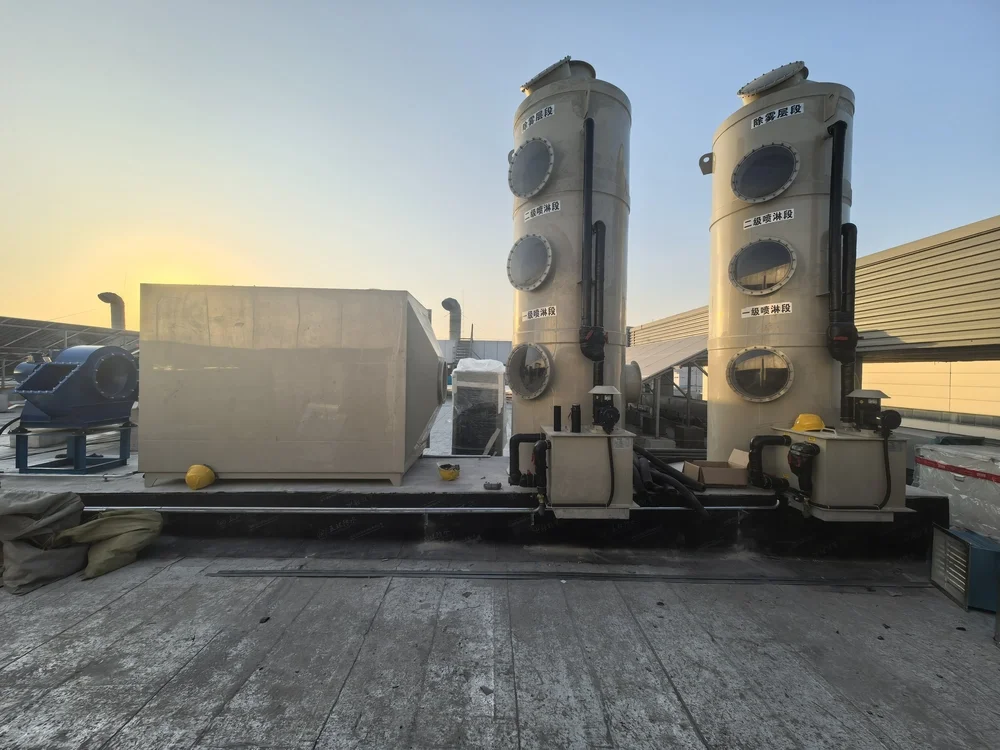
Safe Spent Carbon Removal, Disposal, and Compliance Documentation
Unloading saturated activated carbon demands strict adherence to industrial safety protocols to mitigate flammable solvent vapors and confined-space hazards:
- Pneumatic Vacuum Extraction: Vacuum trucks rapidly extract spent media through designated manways, cutting downtime and containing hazardous particulate dust.
- Vapor Inerting and Grounding: Grounding equipment and purging the vessel with inert gas prevents static sparks from igniting residual flammable solvent vapors during turnaround.
- TCLP Testing and Profiling: Conducting Toxicity Characteristic Leaching Procedure (TCLP) profiling establishes whether spent media must be manifested as hazardous waste or accepted for reactivation.
- Cradle-to-Grave Manifesting: Keeping comprehensive chain-of-custody documentation, waste manifests, and certificates of destruction ensures audit readiness and regulatory alignment with facility emissions permits, complementing standards covered in our laboratory environmental protection and odor control guide.
Industrial Applications for Carbon VOC Abatement
Every industrial process generates a distinct exhaust profile. Choosing the right carbon adsorber for VOC abatement requires matching media volume, bed depth, and residence time directly to your stream’s flow rate and chemical composition. We engineer heavy-duty, fixed-bed adsorption towers tailored to handle fluctuating pollutant loads and strict emissions limits across diverse operating environments.
Chemical, Petrochemical, and Pharmaceutical Manufacturing
Chemical synthesis, reactor venting, distillation, and bulk storage operations emit diverse volatile organic compounds, ranging from halogenated hydrocarbons to aromatic solvents.
- Variable Concentrations: Batch operations produce sudden concentration spikes that quickly exhaust undersized media.
- Corrosive Environments: Acid gases and aggressive vapors demand heavy-duty vessel materials and tailored pretreatment.
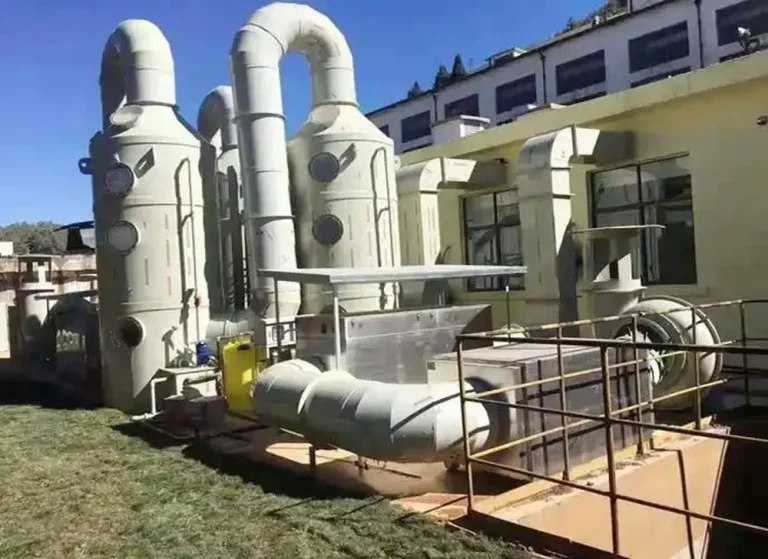
- Dual-Stage Systems: Pairing our adsorption towers with wet scrubbers or specialized filtration prevents premature media fouling. In complex cleanroom and manufacturing facilities, specialized pharmaceutical air treatment and odor control solutions ensure strict environmental compliance and reliable baseline abatement.
We calculate empty bed contact time to capture low-solubility organics reliably, ensuring compliance even under shifting production cycles.
Painting, Coating, and Printing Operations
Finishing lines, drying ovens, spray booths, and flexographic printing presses exhaust high-volume, low-to-medium concentration solvent streams. Common compounds include toluene, xylene, MEK, ethyl acetate, and alcohols.
- High Face Velocities: Large air volumes require optimized vessel cross-sections to maintain stable superficial gas velocity without driving up fan static pressure.
- Particulate Filtration: Paint overspray and aerosolized resins must be removed upstream to prevent blind spots on the activated carbon bed.
- Predictable Changeout Cycles: Steady solvent consumption profiles allow facility managers to schedule bed maintenance around routine plant shutdowns, avoiding unplanned downtime.
Electronics, Semiconductor, and Lithium Battery Production
High-tech manufacturing requires trace-level VOC capture to protect cleanroom environments, process yields, and local air quality.
- Lithium Battery Electrode Coating: Recovers or abates critical carrier solvents like NMP (N-Methyl-2-pyrrolidone) from coating lines.
- Wafer Fabrication and Photolithography: Strips trace photoresist solvents, isopropyl alcohol (IPA), and siloxanes from large make-up air exhausts.
- Stringent Breakthrough Targets: We design deep-bed configurations with extended contact times to deliver ultra-low detection limits at the stack, protecting both product integrity and regulatory compliance.
Comparing Carbon Adsorbers with Alternative VOC Technologies
Selecting the right pollution control equipment comes down to your exhaust volume, solvent concentration, and facility layout. At SOTO Environmental Protection Machinery Co., Ltd., we engineer custom air pollution solutions because no single piece of equipment fits every production line.
| Technology | Best Operating Range | Primary Mechanism | Main Advantage | Key Limitation |
|---|---|---|---|---|
| Activated Carbon Adsorber | Low-to-moderate VOC concentrations; variable airflows | Physical adsorption onto porous media | Lower upfront capital cost; modular footprint; ideal for intermittent runs | Requires periodic media changeout; sensitive to high heat and humidity |
| Regenerative Thermal Oxidizer (RTO) | High airflows with moderate-to-high, steady VOC loads | High-temperature thermal destruction | Destroys up to 99%+ of VOCs without spent media disposal | High capital investment; requires continuous fuel supply and long warm-up times |
| Wet Scrubber | Water-soluble gases, acid mists, and particulates | Gas-liquid absorption and chemical neutralization | Handles high-moisture, corrosive, or dusty exhaust streams well | Poor capture efficiency for non-water-soluble organic solvents |
| Zeolite Concentrator | Very high airflows with low VOC concentrations | Hydrophobic adsorption paired with thermal desorption | Concentrates large air volumes into a smaller stream for downstream treatment | High system complexity and initial equipment cost |
Activated Carbon vs. Regenerative Thermal Oxidizers (RTO)
An RTO destroys volatile organic compounds by burning them at extreme temperatures, making it effective for continuous, high-concentration solvent lines where exhaust heat can become self-sustaining. However, if your facility runs intermittent shifts or produces low-to-moderate VOC concentrations, an RTO burns excessive natural gas just to stay at operating temperature.
An activated carbon adsorption system captures pollutants immediately upon startup without warm-up delays or fuel consumption. For facilities prioritizing lower upfront capital costs, modular installation, and zero direct combustion emissions, a fixed-bed adsorber is far more practical to operate.
Activated Carbon vs. Wet Scrubbers and Zeolite Concentrators
Wet scrubbers rely on liquid spray solutions to trap contaminants, which works well for acid gases or water-soluble compounds, as seen in an https://www.soto-epmachinery.com/how-https://www.soto-epmachinery.com/how-does-the-integrated-spoiler-spray-deodorization-system-achieve-efficient-odor-removal/”>integrated spoiler spray deodorization system. However, most industrial organic solvents are hydrophobic and pass straight through water scrubbers uncaptured, making activated carbon the clear choice for hydrophobic VOCs.
Zeolite rotor concentrators handle massive air volumes—such as large automotive paint booths—by trapping VOCs and desorbing them into a smaller, concentrated stream for an oxidizer. While effective at extreme airflows, zeolite systems carry high mechanical complexity. For standard industrial exhaust volumes, our modular carbon towers deliver reliable compliance with far simpler maintenance, much like how specialized facilities evaluate https://www.soto-epmachinery.com/animal-room-https://www.soto-epmachinery.com/animal-room-odor-uv-vs-carbon/”>UV vs. carbon odor control methods to match their exact contaminant profile.
Specification Checklist for Custom System Sizing and Quotes
Because we custom-engineer every adsorption tower around your specific facility parameters rather than selling off-the-shelf guesses, accurate inlet data ensures we calculate the exact bed depth, residence time, and shell materials you need. Gather the following operating metrics before requesting a project quote from our engineering team:
- Design Airflow Rate: Total exhaust volume in cubic meters per hour ($m^3/h$) or CFM, including peak and average operating loads.
- VOC Composition and Concentration: Specific solvent names (such as toluene, xylene, acetone, or ethyl acetate) and inlet concentrations in $mg/m^3$ or ppm.
- Exhaust Stream Conditions: Operating gas temperature, relative humidity percentage, and the presence of any particulate matter, oil mist, or corrosive acid gases.
- Operating Schedule: Daily running hours, batch vs. continuous production cycles, and expected seasonal load variations.
- Compliance and Site Constraints: Target outlet emission limits required by local environmental regulations, available installation footprint, and utility access.
Contact SOTO Environmental Protection Machinery Co., Ltd. with your facility’s exhaust parameters to receive a custom-engineered carbon adsorber design, turnkey installation plan, and project quote.