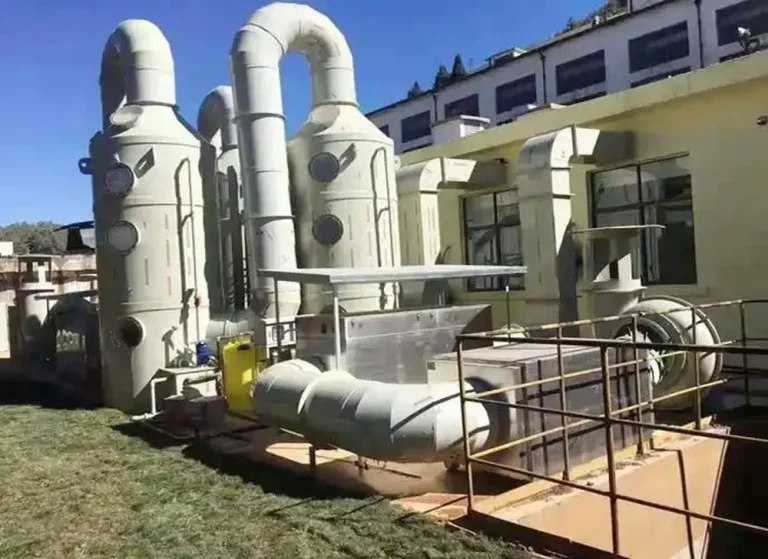
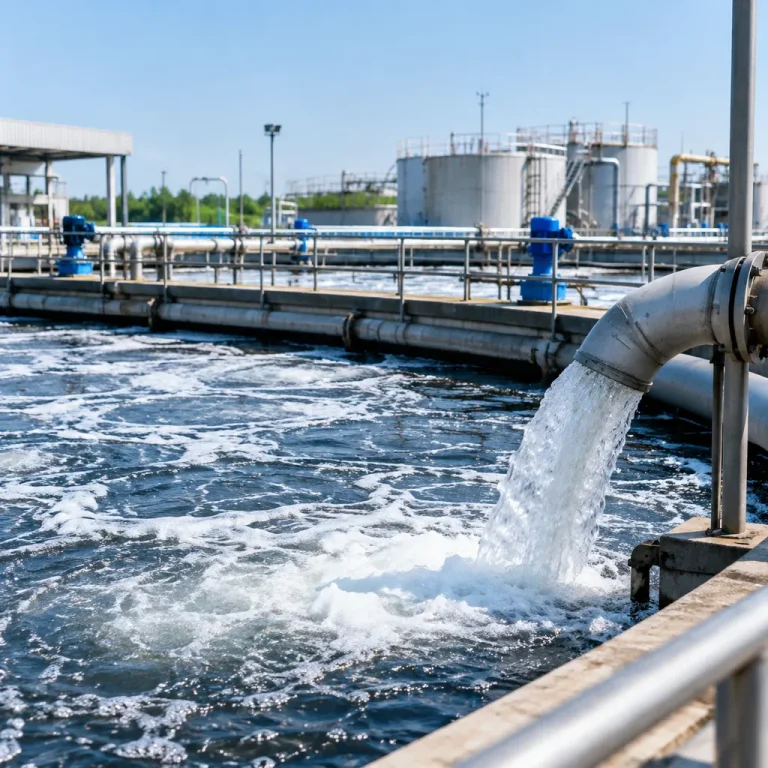
Environmental protection equipment supplier

Industrial Waste Gas Treatment The Complete Buyers Guide
Industrial waste gas treatment encompasses engineering processes designed to purify, neutralize, and safely discharge air streams generated during industrial operations. Modern manufacturing generates complex gaseous streams laden with hazardous air pollutants (HAPs), greenhouse gases, and volatile compounds. Installing high-performance air pollution control and exhaust gas treatment systems is critical to safeguard workplace safety, maintain environmental compliance, and protect surrounding ecosystems.
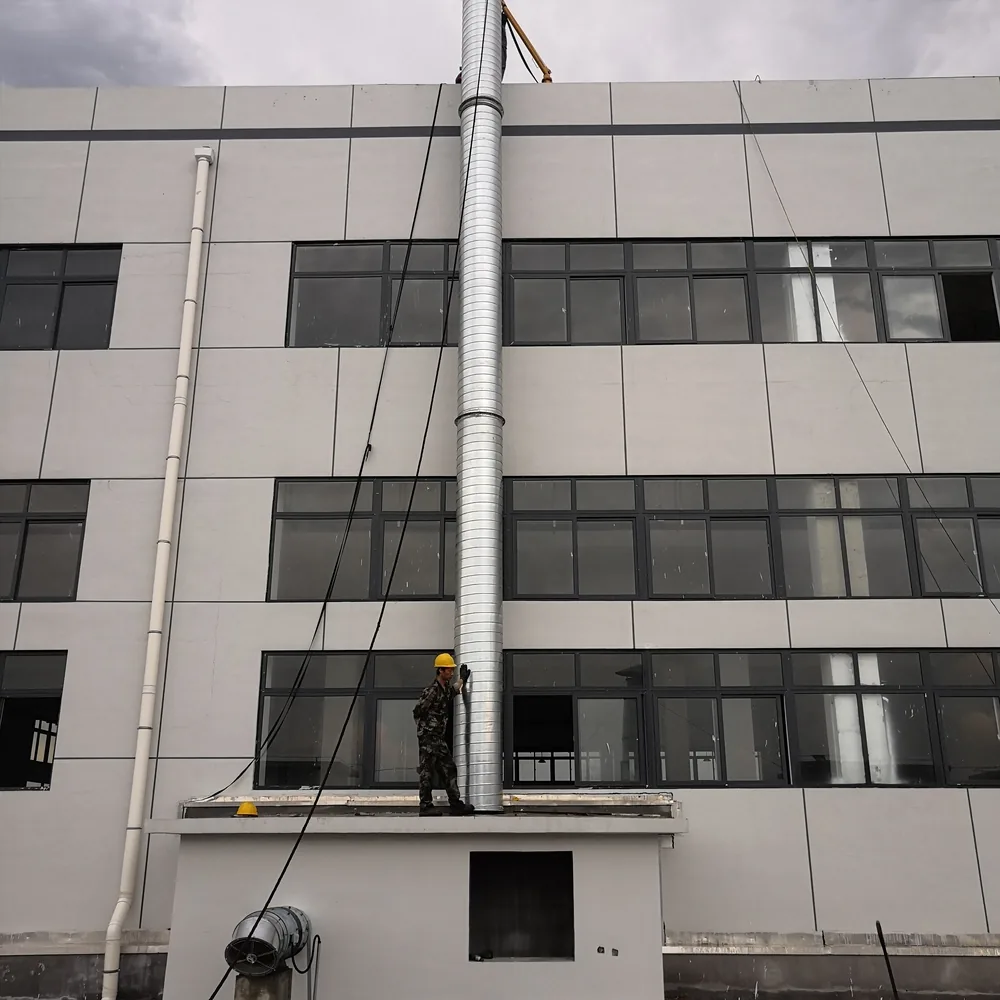
Major Types of Industrial Gaseous Pollutants and Emissions
Industrial processes discharge pollutants that vary widely based on raw materials, process temperatures, and chemical reactions. Effective air purification requires identifying the specific composition of the exhaust stream.
| Pollutant Category | Common Compounds | Typical Industrial Sources | Target Abatement Technology |
|---|---|---|---|
| Volatile Organic Compounds (VOCs) | Benzene, toluene, xylene, alcohols, esters | Coating, printing, chemical synthesis, electronics | Thermal/catalytic oxidation, zeolite concentration, carbon adsorption |
| Acid & Inorganic Gases | Sulfur oxides ($SO_x$), nitrogen oxides ($NO_x$), $HCl$, $HF$ | Metallurgy, power plants, chemical manufacturing, glass production | Wet/dry gas scrubbers, selective catalytic reduction (SCR), flue gas cleaning |
| Particulate Matter & Aerosols | Fly ash, fine chemical dust, oil mist, acid mist | Metal fabrication, machining, smelting, material handling | Baghouses, cartridge collectors, electrostatic precipitators (ESP) |
| Odorous Compounds | Hydrogen sulfide ($H_2S$), ammonia ($NH_3$), mercaptans | Wastewater treatment, food rendering, fermentation | Biofiltration, chemical scrubbing, exhaust gas deodorization |
- Volatile Organic Compounds (VOCs): Hydrocarbon-based emissions that readily vaporize at ambient conditions, contributing significantly to photochemical smog and ground-level ozone.
- Acid Gases: Highly corrosive and toxic compounds formed during high-temperature combustion or chemical etching that cause severe equipment degradation and acid rain.
- Particulates and Mists: Fine airborne particles and liquid aerosols requiring high-efficiency filtration to meet ambient air standards.
- Malodors: Nuisance compounds that create severe environmental friction with neighboring communities even at parts-per-billion (ppb) concentrations.
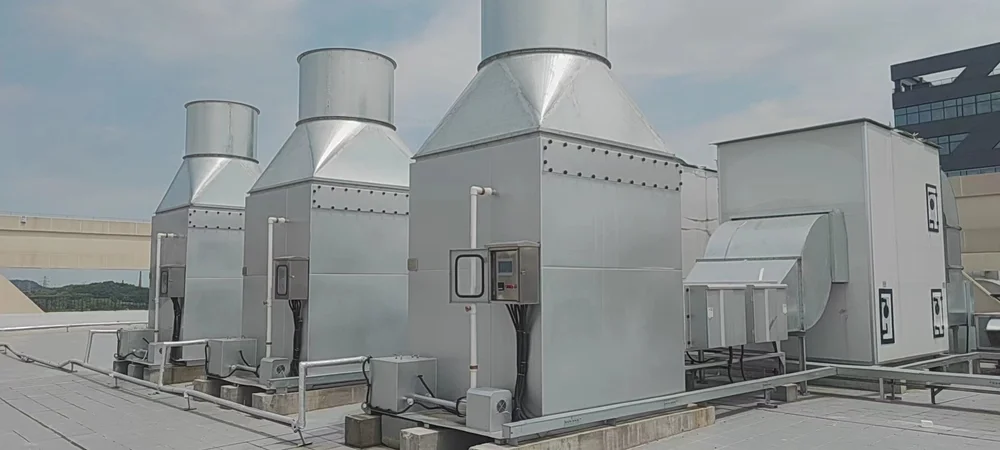
Environmental Regulations and Global Compliance Standards
Regulatory agencies worldwide enforce strict emission thresholds that dictate allowable concentrations and mass emission rates of industrial pollutants.
- United States (EPA Clean Air Act): Imposes National Emission Standards for Hazardous Air Pollutants (NESHAP) and Maximum Achievable Control Technology (MACT) standards, requiring facility-specific Title V operating permits.
- European Union (Industrial Emissions Directive – IED): Enforces Best Available Techniques (BAT) reference documents (BREFs) to establish binding emission limit values (ELVs) for industrial installations.
- Global & Regional Air Quality Directives: Stringent monitoring protocols require Continuous Emission Monitoring Systems (CEMS) to track parameters such as total VOCs (TVOC), opacity, $NO_x$, and $SO_2$ in real time.
- Enforcement Risks: Failure to maintain compliance leads to direct regulatory penalties, administrative shutdowns, mandatory facility retrofits, and legal liability.
Key Benefits of Implementing Efficient Off-Gas Treatment Systems
Deploying an engineered exhaust gas treatment setup delivers tangible operational and financial advantages beyond regulatory adherence:
- Assured Regulatory Compliance: Continuous adherence to local and international emission caps prevents costly fines and unexpected facility downtime.
- Enhanced Operational Safety: Proper gas collection and dilution minimize fire, explosion, and toxic gas buildup risks by maintaining process streams well below their Lower Explosive Limit (LEL).
- Proactive Odor Treatment: Comprehensive exhaust gas deodorization eliminates volatile malodors, preventing community complaints and improving worker health conditions.
- Heat and Energy Recovery: Modern thermal oxidation systems incorporate integrated primary and secondary heat exchangers, recovering up to 95%+ of thermal energy to lower plant-wide fuel consumption.
- Support for Corporate ESG Goals: Quantifiable air pollution abatement directly strengthens corporate sustainability scores, lowers carbon footprints, and secures operational permits for future plant expansions.
Core Technologies in Industrial Waste Gas Treatment
Every industrial facility faces a unique emission profile. In our engineering practice, selecting the right industrial waste gas treatment technology depends on gas volume, operating temperature, particulate loading, and target chemical compounds. We engineer and deliver integrated air pollution control systems built around four primary technology groups to ensure consistent regulatory compliance and reliable uptime.
| Technology | Primary Target Pollutants | Typical Efficiency | Best-Fit Applications |
|---|---|---|---|
| Electrostatic Precipitator (ESP) | Sub-micron dust, smoke, oil mist, acid aerosols | 95% – 99.5% | Power generation, metallurgy, asphalt, textile |
| Thermal / Catalytic Oxidizers | Volatile Organic Compounds (VOCs), hazardous air pollutants (HAPs), odors | 98% – 99.9% | Chemical processing, coil coating, printing, pharma |
| Wet & Dry Gas Scrubbers | Acid gases (HCl, SOx, HF), ammonia, soluble toxins | 90% – 99% | Metal surface finishing, pickling lines, chemical synthesis |
| POU Abatement & Biofiltration | Pyrophoric/etch gases, hydrogen sulfide, organic malodors | 90% – 99% | Semiconductor fabrication, composting, wastewater plants |
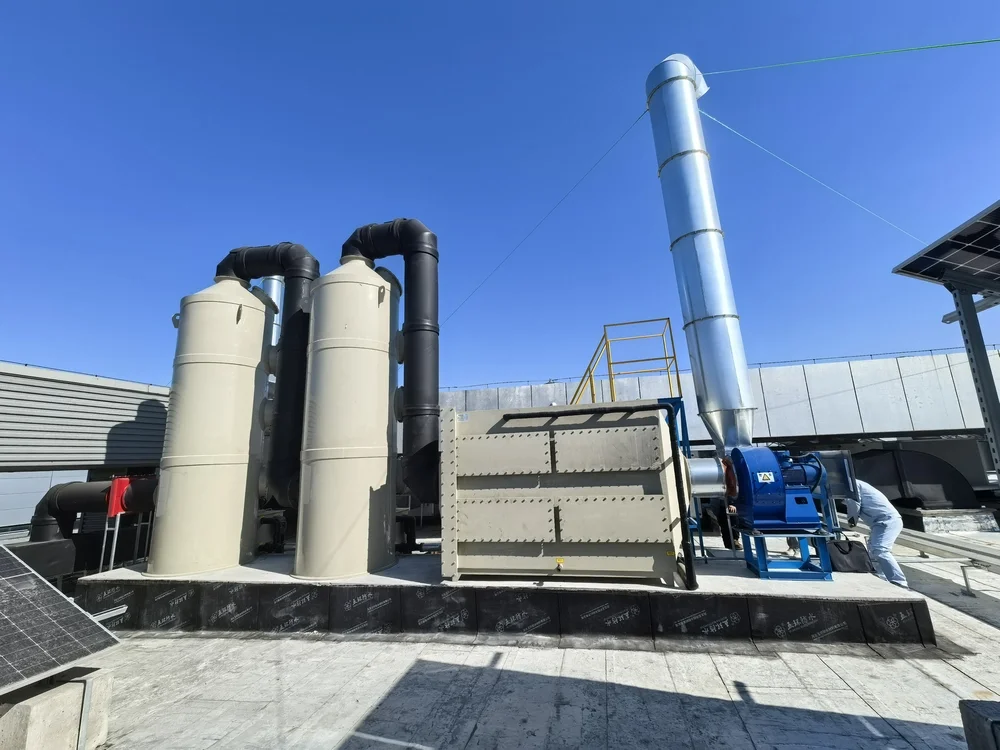
Electrostatic Precipitators (ESP) for Particulates and Mist
When your production line generates fine aerosols, sticky oily mist, or heavy dust loads, an electrostatic precipitator delivers continuous collection efficiency without the clogging risks common to fabric filters. We configure both dry and wet ESP systems:
- Dry ESPs: Utilize high-voltage ionizing electrodes to impart a negative charge to solid dust particles, driving them onto grounded collecting plates for periodic mechanical rapping into collection hoppers.
- Wet ESPs (WESP): Continuously wash collector tubes with water films, making them the preferred choice for sticky condensable hydrocarbons, sub-micron sulfuric acid mists, and saturated flue gas cleaning streams where dry rapping fails.
- Operational Advantages: Extremely low pressure drop (typically below 500 Pa), handling massive gas volumes with minimal energy consumption and resistance to high-temperature upsets.
Thermal and Catalytic Oxidation Systems for VOC Removal
For solvent-laden air and toxic vapor destruction, our thermal oxidation systems utilize controlled high-temperature combustion to break down hydrocarbons into harmless carbon dioxide and water vapor.
- Regenerative Thermal Oxidizers (RTO): We build multi-bed RTOs featuring ceramic heat-exchange media that capture up to 95%–97% of thermal energy. When solvent concentrations exceed 1.5–2.0 g/Nm³, the system reaches auto-thermal operation, running without auxiliary burner fuel.
- Regenerative Catalytic Oxidizers (RCO): By integrating noble metal or base metal catalysts, we drop the oxidation trigger temperature from 850°C down to 300°C–400°C. This drastically reduces supplemental gas consumption on low-concentration, high-volume exhaust gas treatment streams.
- Direct-Fired Thermal Oxidizers (DFTO): Designed for highly concentrated, halogenated, or intermittent waste streams where direct flame residence ensures guaranteed destruction of hazardous air pollutants.
Wet and Dry Gas Scrubbers for Acid and Toxic Gases
Corrosive acid fumes and alkaline vapors require robust mass-transfer absorption. We design vertical packed-tower scrubbers, venturi units, and dry sorbent injection systems tailored to chemical plants and metal processing lines.
- Packed Bed Scrubbers: Counter-current liquid spray systems utilize structured packing media to maximize contact between scrubbing liquor (caustic, acid, or oxidizing agents) and incoming gases, neutralizing contaminants such as hydrochloric acid (HCl), sulfur dioxide (SO₂), and ammonia.
- Effluent Handling Integration: Neutralization produces chemical blowdown that connects to specialized facility drainage, requiring synchronized handling with on-site treatment processes for pickling and phosphating wastewater to prevent secondary environmental discharge issues.
- Dry and Semi-Dry Scrubbing: Injects dry lime or sodium bicarbonate directly into the ductwork, eliminating liquid wastewater generation while effectively treating high-temperature flue gases.
Point-of-Use Abatement and Biofiltration Systems
Targeted emissions often demand localized intervention right at the emission source or nature-based biochemical processing for high-volume odor treatment.
- Point-of-Use (POU) Abatement: High-tech electronics and semiconductor fabs rely on our compact, point-of-use thermal, plasma, and wet cartridge scrubbers installed directly on process tool exhaust lines. These units destroy pyrophoric, toxic, and perfluorinated compounds (PFCs) before they can react inside common ductwork.
- Biofiltration for Odor Control: For facilities plagued by hydrogen sulfide, mercaptans, and general industrial stench, our biological bio-trickling filters pass air through organic or synthetic packing colonized by specialized microbes. These systems provide steady, low-operating-cost exhaust gas deodorization and malodor treatment without requiring chemical consumables or generating hazardous byproducts.
Waste Gas Treatment Solutions Across Key Industries
Industrial exhaust streams vary significantly from one sector to another. Selecting the proper air pollution control system requires aligning the treatment hardware with your facility’s specific emissions profile, flow rates, and operating cycles.
Semiconductors and High-Tech Manufacturing
Cleanroom environments and wafer fabrication plants produce highly complex, hazardous gas matrices. The exhaust typically contains perfluorinated compounds (PFCs), pyrophoric hydrides like silane ($SiH_4$), corrosive fluorinated acids, and volatile solvent vapors.
- Primary Contaminants: Silicon tetrafluoride, arsine, phosphine, isopropyl alcohol (IPA), and greenhouse gases like $SF_6$ and $NF_3$.
- Engineering Approaches: Facilities deploy point-of-use (POU) plasma or thermal-wet burn boxes directly adjacent to process tools. These unit operations eliminate pyrophoric hazards before the gas enters central scrubbers.
- Performance Priorities: High single-pass destruction efficiency, absolute operational uptime, and sub-micron particulate filtration to safeguard downstream ductwork from deposition.
Chemical, Petrochemical, and Pharmaceutical Plants
Chemical synthesis and active pharmaceutical ingredient (API) manufacturing generate variable, batch-driven emissions. These facilities manage wide fluctuations in solvent concentrations and complex chemical cocktails containing halogenated hydrocarbons, mercaptans, and heavy organic loadings.
| Operational Factor | System Strategy | Operational Benefit |
|---|---|---|
| Volatile Solvent Stripping | Regenerative Thermal Oxidizers (RTO) | Destruction efficiency above 99% with self-sustaining thermal operation |
| Halogenated Compounds | Acid-Resistant Quench & Packed Scrubbers | Effective neutralization of $HCl$ and $HBr$ byproducts without duct erosion |
| Variable VOC Loadings | Buffer Equalization & Lower Explosive Limit (LEL) Dampers | Explosion prevention and stable combustion chamber temperature management |
These facilities utilize multi-stage exhaust gas treatment trains that combine condensation, wet scrubbing, and thermal abatement to control toxic volatile emissions and meet strict plant-wide discharge limits.
Food Processing, Metallurgy, and Commercial Operations
Manufacturing processes in these sectors balance particulate control, acid mist abatement, and comprehensive malodor treatment.
- Food Processing & Agribusiness: Facilities generating volatile fatty acids, amine compounds, and hydrogen sulfide require dedicated odor control setups. Systems rely on chemical spray scrubbers, deep-bed biofilters, and multi-stage dry adsorption beds for reliable exhaust gas deodorization across rendering, roasting, and frying lines.
- Metal Finishing & Surface Treatment: Metal preparation lines release heavy mineral acid vapors ($HCl, H_2SO_4, HNO_3$) and caustic aerosols. Facilities coordinating fume capture with steel pickling and phosphating wastewater treatment systems route heavy pickling tank emissions into high-velocity counter-current crossflow scrubbers to suppress corrosion and ensure regulatory compliance.
- Foundries & Smelting: Operations rely on dry flue gas cleaning trains pairing cyclone separators or a heavy-duty electrostatic precipitator with lime-injection dry scrubbers to clear coarse dust, sub-micron metallic fumes, and sulfur dioxide before atmospheric release.
Key Factors to Consider When Choosing a Waste Gas System
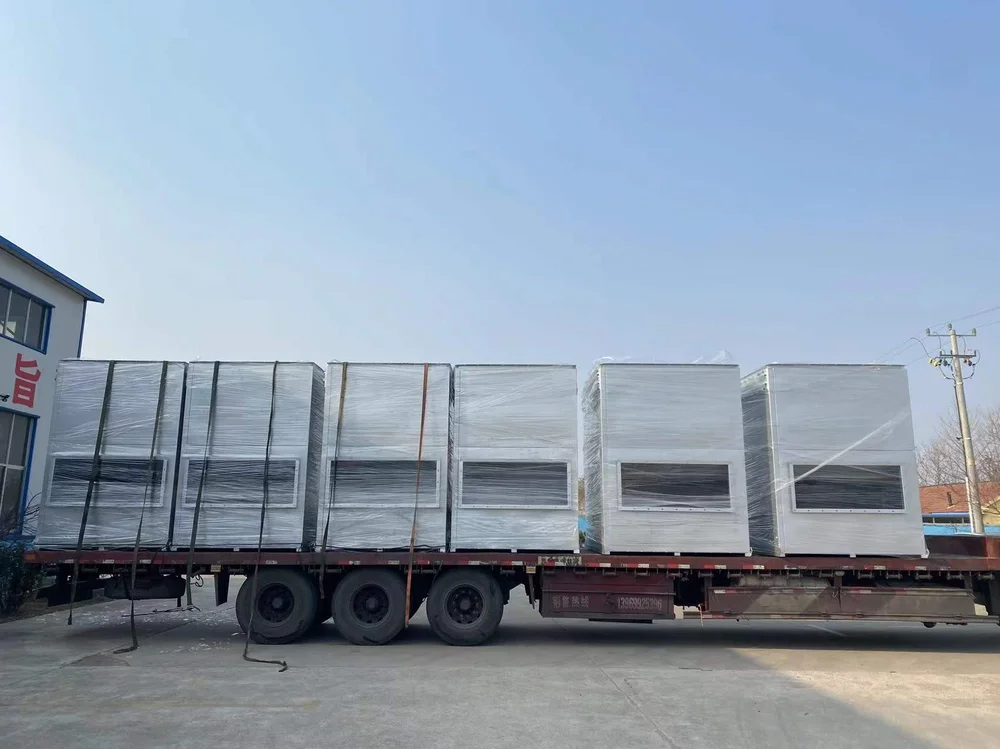
Selecting the right industrial waste gas treatment system is not a one-size-fits-all decision. A miscalculation can lead to non-compliance fines, catastrophic safety hazards, or runaway operational costs. When we evaluate off-gas challenges for industrial facilities, we focus on four core pillars to design an exhaust gas treatment system that protects both your operational budget and your regulatory standing.
Evaluating Gas Composition, Flow Rates, and Concentration
Before investing in air pollution control hardware, you must establish an accurate baseline of your plant’s emissions profile. The physical and chemical makeup of your airstream directly determines which treatment technology can operate reliably without fouling or corrosion.
- Chemical Speciation: Identify whether the stream contains volatile organic compounds (VOCs), halogenated compounds, acid gases, or heavy particulates. Halogens or silicones in an airstream, for example, will deactivate catalysts and corrode standard carbon steel oxidizers.
- Total Airflow Volume: Measure both average and peak flow rates (expressed in m³/h or CFM). Undersized systems cause plant backpressure, while oversized units waste excessive thermal energy.
- Contaminant Concentration & % LEL: Determine the loading levels against the Lower Explosive Limit (LEL). For safety, thermal oxidizers typically require concentrations to remain safely below 25% LEL unless equipped with automated dilution dampers and continuous LEL monitoring.
- Moisture and Temperature: High humidity affects carbon adsorption efficiency, while high flue gas cleaning temperatures may require upfront quench towers or heat exchangers.
| Stream Parameter | Key Measurement | Direct Impact on Equipment Selection |
|---|---|---|
| Volumetric Flow | Low vs. High ($m^3/h$) | Determines duct diameter, blower sizing, and overall footprint |
| Pollutant Load | Low (<1 g/m³) vs. High (>5 g/m³) | Dictates whether to use concentrator wheels, scrubbers, or direct oxidizers |
| Explosive Limits | % LEL (Target: <25%) | Determines safety interlocks, bypass dampers, and fresh air dilution valves |
| Particulate Content | $mg/m^3$ loading | Requires pre-filtration or electrostatic precipitators to prevent bed clogging |
Required Destruction and Removal Efficiency (DRE)
Environmental agencies enforce strict limit values on mass emissions and toxic air pollutants. Your target Destruction and Removal Efficiency (DRE) dictates the engineering design of your air purification system:
- 95% to 98% DRE: Standard for moderate solvent emissions and general exhaust gas deodorization applications where emission thresholds are less stringent.
- 99%+ DRE: Required for hazardous air pollutants (HAPs), toxic chemical synthesis, and regulated semiconductor exhausts. Achieving this high standard demands precise residence times, high combustion chamber temperatures (often above 815°C/1500°F in RTOs), or multi-stage scrubbing trains.
- Odor Abatement Thresholds: Removing foul odors like hydrogen sulfide, mercaptans, and amines often requires specialized approaches beyond standard filtration. Implementing dedicated wastewater plant odor control equipment and processes ensures these low-odor-threshold compounds are completely neutralized before leaving the stack.
Balancing Initial Capital Investment (CAPEX) with Operating Costs (OPEX)
Looking solely at the initial purchase price of an industrial waste gas treatment system is a common procurement mistake. The real financial impact lies in the Total Cost of Ownership (TCO) across 10 to 15 years of continuous runtime.
- Capital Expenditures (CAPEX): Covers equipment fabrication, metallurgy upgrades (such as 316L stainless steel or alloy construction for acid resistance), foundation engineering, ductwork installation, and electrical integration.
- Operating Expenditures (OPEX): Dominated by auxiliary fuel consumption (natural gas/propane), electricity for high-pressure system fans, routine media replacement, chemical reagents for wet scrubbers, and catalytic bed regeneration.
- Energy Recovery Strategies: High-CAPEX solutions like Regenerative Thermal Oxidizers (RTO) achieve up to 95%–97% thermal energy recovery. This allows the system to run in a self-sustaining (“autothermal”) mode at sufficient VOC concentrations, drastically slashing monthly fuel bills compared to lower-cost direct-fired oxidizers.
Customization, Footprint, and Facility Integration Requirements
Factory floor space is prime real estate. Installing an industrial-scale off-gas treatment system requires clean structural and logistical planning to ensure smooth plant integration:
- Plot Space vs. Structural Weight: High-volume systems require substantial ground-pad space. If ground space is unavailable, rooftop installations demand structural reinforcement audits to support heavy ceramic media beds or scrubber towers.
- Piping and Utility Tie-ins: Map out routing for compressed air, process water, caustic chemical storage, natural gas feeds, and wastewater drains early to minimize costly site work during commissioning.
- Control Integration: Modern units must seamlessly integrate into your central Distributed Control System (DCS) or PLC via standard industrial protocols. This enables real-time monitoring of pressure drops, chamber temperatures, burner faults, and emission compliance data directly from your main control room.
Lifecycle Services: Installation, Operation, and Maintenance
Deploying an industrial waste gas treatment system is a long-term commitment. Getting peak destruction efficiency and avoiding unscheduled downtime requires rigorous field execution, structured preventative maintenance, and strategic retrofits throughout the equipment’s operational life.
Installation and System Commissioning
Proper installation ensures your exhaust gas treatment system operates safely and meets local environmental permits from day one. Our engineering team oversees the complete deployment phase to guarantee seamless mechanical, electrical, and process integration.
- Mechanical Assembly and Ductwork: Precision alignment of heavy assemblies, including thermal chambers, scrubber towers, and fans, ensuring zero fugitive leaks and balanced system static pressure.
- Safety and Interlock Verification: Thorough pre-checks on Lower Explosive Limit (LEL) monitors, flame arrestors, pressure relief systems, and automatic emergency bypass dampers.
- Site Acceptance Testing (SAT): Rigorous cold and hot commissioning to balance process flow rates, verify thermal heat-recovery cycles, and tune burner management systems.
- Baseline Emission Sampling: Validating Destruction and Removal Efficiency (DRE) against baseline gas concentrations to confirm compliance before full commercial handover.
Routine Maintenance and Spare Parts Management
Industrial off-gas equipment operates in aggressive environments exposed to high heat, corrosive acid vapors, and particulate buildup. A disciplined service schedule keeps operating costs predictable and prevents costly plant shutdowns.
- Media and Catalyst Monitoring: Inspecting ceramic heat exchange media for particulate fouling or thermal cracking, and running annual activity tests on catalytic beds to prevent VOC slip.
- Scrubber and Mist Eliminator Care: Descaling nozzles, checking packing integrity, and monitoring differential pressure across mist eliminators to stop liquid carryover. For facility managers looking to optimize chemical scrubbing schedules, following our laboratory environmental protection and odor control guide offers structured benchmarks for exhaust upkeep.
- Electrostatic Precipitator Service: Regular rapping mechanism checks, collecting plate cleaning, and insulator inspections to maintain stable corona discharge without arcing.
- Critical Spare Inventory: Keeping fast-turn items on hand—such as pneumatic valve actuators, thermocouple assemblies, high-temperature gaskets, and flame sensors—to resolve hardware issues immediately.
System Modernization and Retrofitting Existing Equipment
When plant output expands or local emission limits tighten, replacing your entire air pollution control installation is not always necessary. Modernization allows you to significantly boost capacity and lower energy use while preserving existing structural infrastructure.
- Scrubber and Absorber Upgrades: Converting older, clogged packing towers to a high-efficiency integrated spoiler spray deodorization system to handle higher gas volumes with lower pressure drop.
- Energy Recovery Retrofits: Adding secondary heat recovery exchangers or converting direct-fired systems into regenerative configurations to capture waste thermal energy for process steam or plant heating.
- Smart Controls and Variable Drives: Installing Variable Frequency Drives (VFDs) on main draft fans paired with advanced PLC logic to automatically throttle power consumption based on real-time process exhaust demand.
- Capacity Expansions: Adding modular pre-treatment filters, carbon concentrator wheels, or polishing stages to existing lines to accommodate new production runs without replacing the primary oxidizer.
Future Trends in Sustainable Gas Treatment and Emission Control
Modern emission standards are shifting rapidly, and standard compliance is no longer the finish line. Today, smart facilities treat emission abatement as an efficiency metric. As industrial waste gas treatment systems evolve, our focus centers on cutting fuel consumption, extending hardware life, and turning waste streams into usable energy or secondary raw materials.
IoT Sensors and Smart Automated Monitoring
Static monitoring systems are making way for real-time telemetry and edge analytics. By integrating intelligent sensor arrays throughout the exhaust gas treatment train, plants gain immediate control over dynamic gas loads.
- Predictive Maintenance: Differential pressure sensors and vibration monitors detect media clogging, valve degradation, and bearing wear before catastrophic failures happen.
- Dynamic Airflow Control: Automated variable frequency drives (VFDs) adjust fan speeds to process fluctuations, slashing electrical consumption during low-production hours.
- Continuous Emissions Monitoring (CEMS): Cloud-linked analyzers continuously log VOC, acid gas, and particulate levels, streamlining compliance reporting and warning operators of potential permit breaches.
Resource Recovery, Carbon Capture, and Green Chemistry Catalysts
The traditional mindset of treating waste gas as pure disposal overhead is obsolete. Sustainable facilities now engineer their air purification systems to capture value while eliminating regulatory risk.
- Solvent and Heat Recovery: High-efficiency condensation and specialized adsorption beds let processors reclaim costly industrial solvents directly from the stream. Meanwhile, primary and secondary heat exchangers route thermal energy back to boilers or drying ovens. As we highlight in our industrial air pollution control guide, reclaiming this waste heat substantially drops total operating expenses.
- Low-Temperature Catalysts: Next-generation catalytic formulations destroy pollutants at significantly reduced activation temperatures. This cuts auxiliary natural gas usage and limits secondary greenhouse gas emissions.
- Flue Gas Carbon Capture: Modular post-combustion scrubbers and solid-sorbent capture units are integrating directly into existing flue gas cleaning setups, preparing facilities for tightening decarbonization mandates.