Environmental protection equipment supplier

Electroplating Wastewater Treatment Methods and Solutions
Struggling to keep your facility compliant with strict environmental discharge limits?
You’re not alone.
Between hazardous heavy metals, toxic cyanides, and surging operational costs, finding the right setup can feel overwhelming.
So, what are the methods for treating electroplating wastewater that actually deliver results without draining your budget?
In this guide, I’ll break down the most effective, battle-tested solutions—from chemical precipitation and ion exchange to advanced reverse osmosis—so you can cut disposal costs and achieve seamless compliance.
Let’s dive right in.
Understanding Laundry Wastewater Characteristics and Challenges
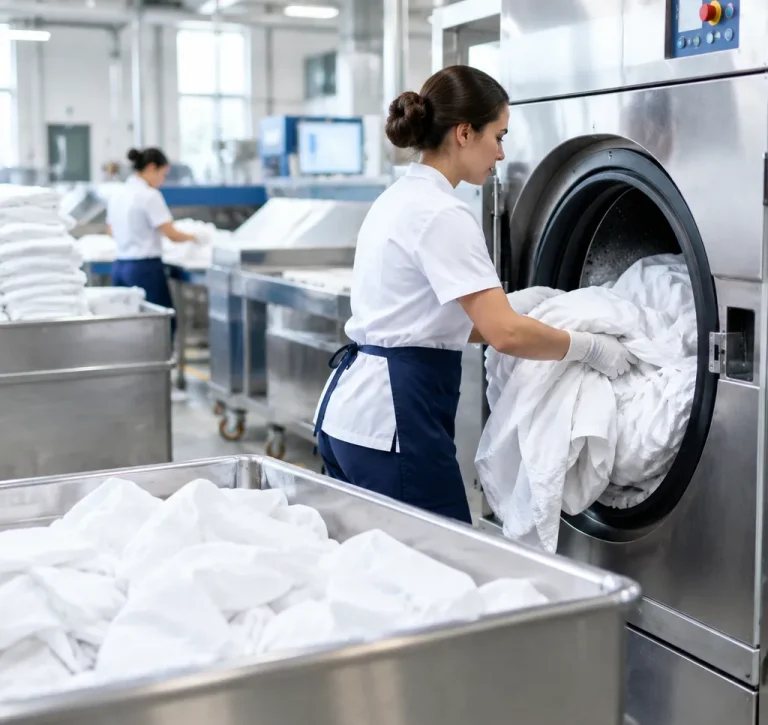
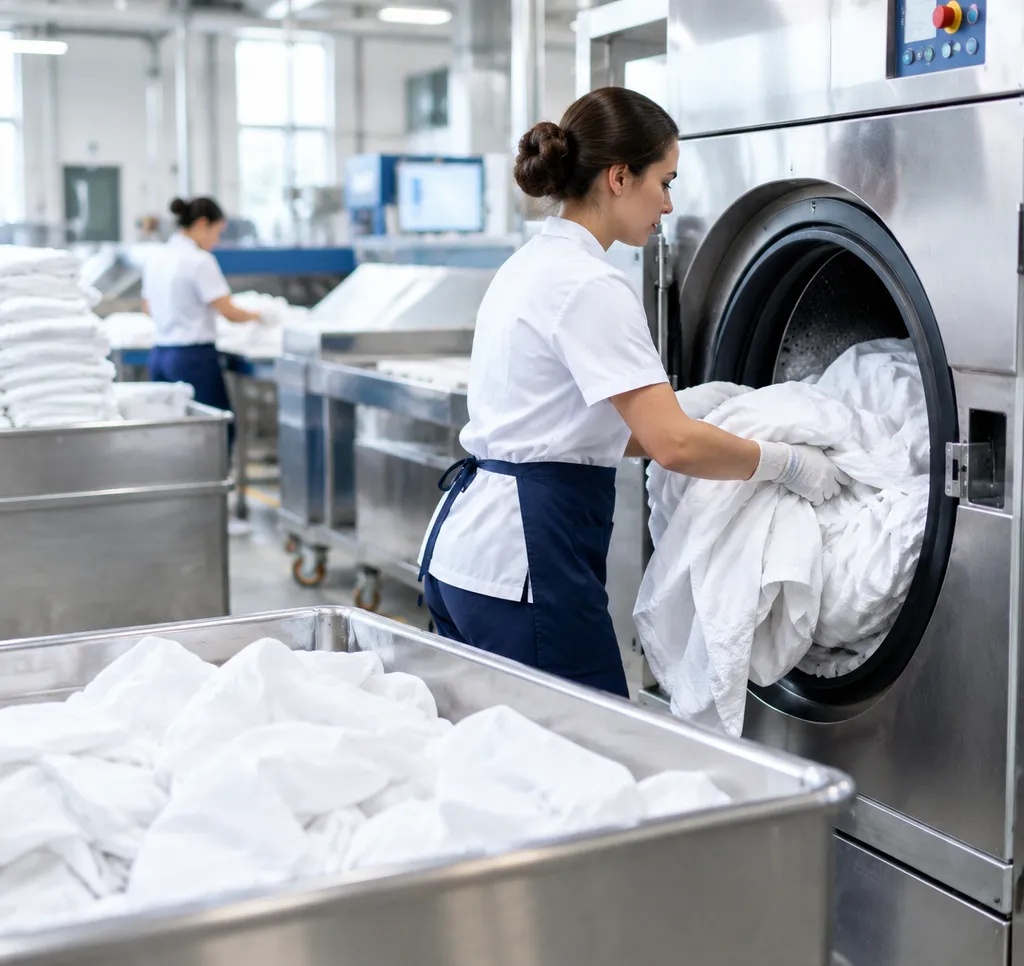
Industrial and commercial laundry operations generate massive volumes of contaminated effluent daily. Processing textiles from hospitality, healthcare, and manufacturing sectors yields an intricate waste stream that requires specialized handling. Managing industrial laundry wastewater demands a precise understanding of its chemical and physical profile to implement reliable wastewater treatment and recovery solutions.
Key Pollutants: Detergents, Surfactants, and Microfibers
Washing cycles strip textiles of soils while introducing complex cleaning agents. The resulting effluent contains a mixture of persistent chemical compounds and particulate matter:
- Surfactants and Detergents: Non-ionic and anionic surfactants, such as linear alkylbenzene sulfonates, resist natural degradation and create persistent foaming in municipal networks.
- Synthetic Microfibers: Polyester, nylon, and blended textiles release microscopic plastic fibers during agitation, contributing to microplastic pollution.
- Oils, Fats, and Greases: Sourced from kitchen linens, industrial uniforms, and massage therapy sheets, these contaminants create emulsion layers that coat plumbing and foul filtration media.
- Pathogens and Bleaching Agents: Especially prevalent in medical wastewater and hotel laundry wastewater, requiring neutralization before discharge.
High COD, BOD, and Suspended Solids (TSS)
Laundry effluent exhibits extreme variations in organic and physical load, complicating municipal discharge and on-site treatment.
| Parameter | Impact on Wastewater Systems | Typical Operational Challenge |
|---|---|---|
| Chemical Oxygen Demand (COD) | Measures total chemically oxidizable matter | High chemical concentrations overwhelm standard biological stages. |
| Biochemical Oxygen Demand (BOD) | Quantifies dissolved oxygen required by microorganisms | Rapid oxygen depletion threatens receiving aquatic environments. |
| Total Suspended Solids (TSS) | Accounts for lint, dirt, and undissolved particulates | Rapidly clogs downstream pipework and fouls filtration membranes. |
| pH and Thermal Load | Alkaline chemicals drive pH above 9–11; wash temperatures elevate water heat | Fluctuations disrupt biological treatment and damage municipal sewers. |
Environmental Regulations and Discharge Compliance
Environmental protection agencies enforce strict sewer discharge limits for commercial facilities. Discharging untreated laundry wastewater with elevated COD, TSS, and surfactant levels results in severe municipal surcharges, non-compliance penalties, or operational shutdowns. Establishing a dedicated effluent treatment plant guarantees direct compliance with local environmental standards, protects municipal infrastructure, and secures the foundation for zero-liquid discharge and long-term sewage reuse.
Key Stages of the Commercial Laundry Wastewater Treatment Process
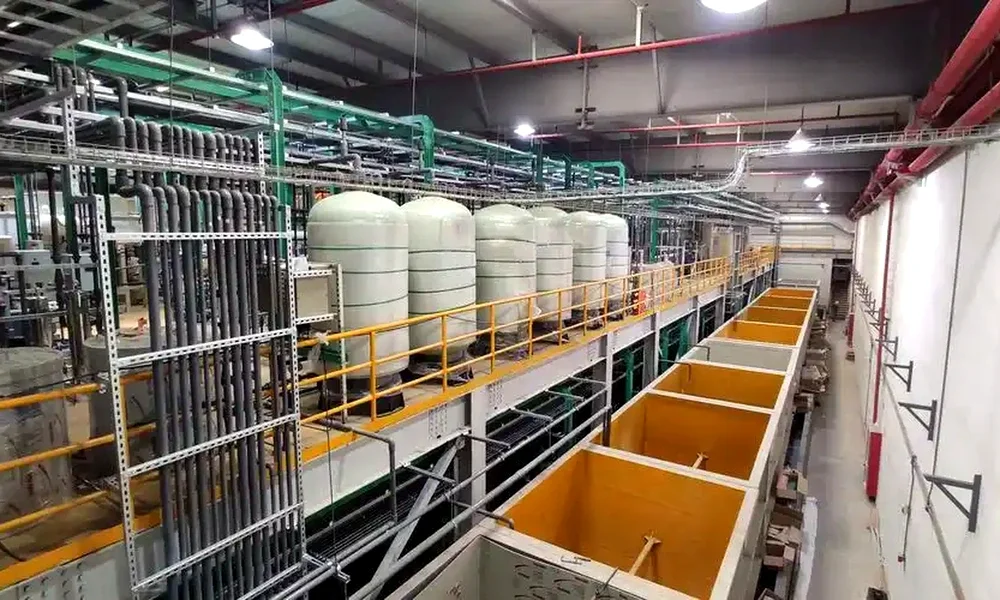
Treating high-volume industrial laundry wastewater requires a systematic, multi-barrier approach. We engineer our treatment workflows to tackle heavy surfactant loads, fluctuating pH, and suspended lint before the water is cleared for discharge or reuse.
Primary Treatment: Lint Screening and Flow Equalization
Raw laundry discharge arrives in intermittent surges with high temperatures and heavy lint loads. We stabilize these fluctuations right at the start:
- Mechanical Screening: Rotating drum screens or wedge wire strainers capture microfibers, threads, and coarse debris to prevent downstream pipe clogging.
- Flow Equalization: An equalization basin blends hot wash cycles with cold rinse water, balancing pH shifts and leveling hydraulic peaks for consistent system loading.
Physicochemical Treatment: Coagulation, Flocculation, and DAF
Surfactants and detergents stabilize tiny suspended oil droplets and dirt particles in an emulsion. Primary settling alone will not clear them.
- Coagulation: We add coagulants to neutralize electrical charges, breaking the chemical emulsion.
- Flocculation and Precipitation: Gentle mixing aggregates destabilized colloids into larger, visible flocs, similar to the precision separation seen in our process for treatment and reuse of heavy metal-laden wastewater.
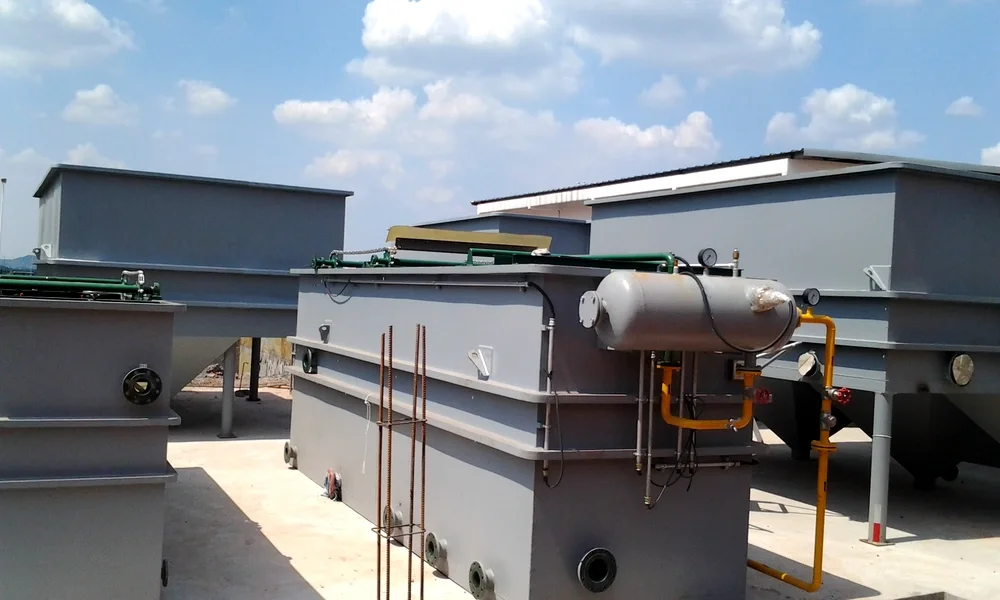
- Dissolved Air Flotation (DAF): Microscopic air bubbles attach to the flocs, floating them to the surface where mechanical skimmers continuously remove the concentrated sludge layer.
Biological Treatment: Degrading Organic Compounds
After removing floating solids and free oils, dissolved organics demand targeted biological treatment within the effluent treatment plant:
- Moving Bed Biofilm Reactors (MBBR) or MBR: Specialized bacterial colonies consume dissolved detergents, organic soils, and biodegradable surfactants.
- COD and BOD Reduction: Continuous aeration fuels biological oxidation, drastically dropping chemical oxygen demand (COD) and biochemical oxygen demand (BOD) to meet stringent municipal standards.
Tertiary Treatment: Disinfection and Polishing
The final stage transforms treated effluent into clean process water ready for recycling or compliant discharge:
- Advanced Membrane Filtration: Multi-media sand filters and microfiltration polish out remaining sub-micron particles.
- Disinfection: UV irradiation or ozone systems neutralize lingering pathogens, odors, and colorants without leaving toxic chemical residues, making safe sewage reuse and wash-cycle recycling fully achievable.
Advanced Filtration and Water Recycling Technologies
Reclaiming water from commercial and industrial laundry wastewater requires separation processes that handle elevated temperatures, persistent surfactants, and fine lint. Implementing advanced membrane filtration allows facilities to transform spent wash water into high-grade process water, driving down utility intake and meeting strict discharge limits.
Ceramic Membranes for Micro- and Ultrafiltration
Ceramic membrane units provide the primary barrier against suspended solids, oil emulsions, and synthetic microfibers. Unlike standard polymeric membranes, ceramic elements withstand thermal shocks, high pH variations, and rigorous chemical backwashing without degrading.
- High Thermal Stability: Treats hot wash water directly without requiring prior cooling cycles, conserving valuable heat energy.
- Oil and Emulsion Rejection: Effectively strips out dispersed oils, greasy soils, and stubborn colloidal matter after primary separation.
- Low Fouling Tendency: Robust cross-flow hydrodynamics keep channels clear, extending runtime between clean-in-place (CIP) operations.
Integrating these robust barriers is an essential step in modernizing any hotel linen wastewater treatment process for water reuse, ensuring consistent flow rates and protecting downstream equipment.
Reverse Osmosis (RO) Plants for High-Purity Water Reuse
For facilities targeting a closed-loop water recycling system, reverse osmosis serves as the definitive polishing stage. Just as physical membrane separation delivers an answer when evaluating what are the methods for treating electroplating wastewater and industrial effluents, high-pressure RO plants isolate dissolved salts, trace detergents, and micro-contaminants from wash water.
- Total Dissolved Solids (TDS) Reduction: Drops mineral content to baseline levels, preventing mineral buildup on washed textiles.
- Permeate Quality: Generates crystal-clear water suitable for sensitive rinse cycles or high-pressure boiler feeds.
- Concentrate Management: Concentrated reject streams are isolated for controlled disposal or specialized recovery stages.
Water Softener Systems to Optimize Washing Efficiency
Hard water diminishes wash quality, wastes chemical detergents, and coats heating elements in scale. Integrating an industrial ion-exchange water softener ahead of recycled-water storage tanks safeguards your machinery and streamlines ongoing operations:
- Scale Prevention: Eliminates calcium and magnesium ions before water enters water heaters, steam generators, and ironers.
- Chemical Savings: Softened water enables detergents and emulsifiers to perform at peak cleaning efficiency with lower chemical dosing.
- Linen Longevity: Eliminates harsh mineral deposits within fabric fibers, preserving linen softness, brightness, and tensile strength over repeated wash cycles.
Types of Treatment Systems for Industrial Laundries
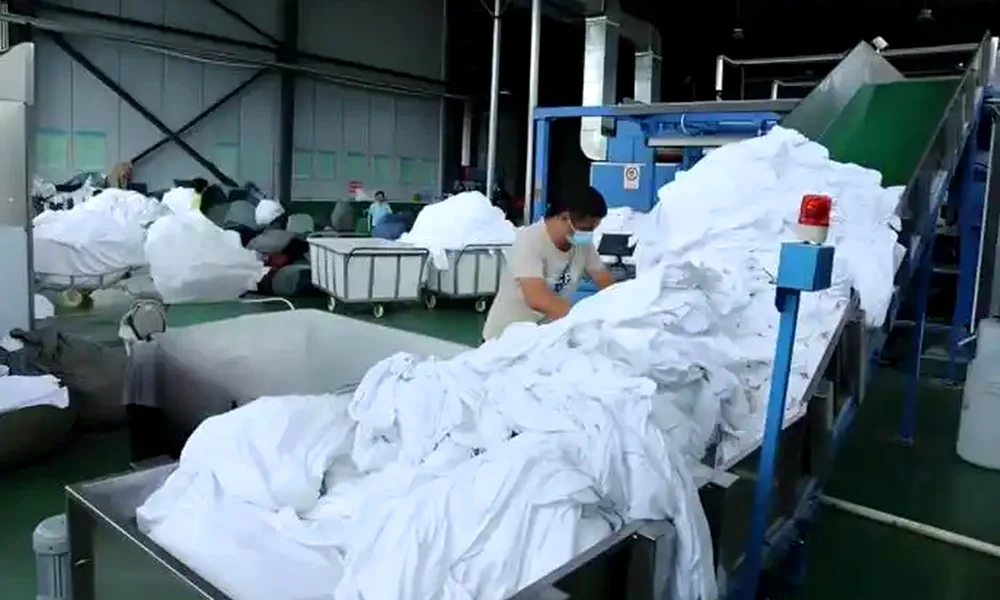
Every commercial wash facility faces different volume requirements, site footprints, and discharge limits. We engineer purpose-built systems that turn complex wash streams into clean, reusable process water. By deploying modern wastewater treatment platforms, facilities maintain continuous operation while slashing local utility dependency.
Effluent Treatment Plants (ETP)
Full-scale effluent treatment plants serve as the central backbone for operations generating high volumes of heavily soiled effluent. These installations handle diverse chemical inputs and volatile loads simultaneously.
- Primary balancing: Blends wash and rinse cycles to smooth out extreme pH and temperature shifts.
- High-volume handling: Easily processes thousands of gallons per hour without process interruptions.
- Regulatory compliance: Strips out surfactants, residual dyes, and heavy oils prior to municipal sewer discharge.
Dedicated Grey Water Recycling Systems
Grey water units target lightly soiled rinse streams to reclaim water directly for early wash stages. This process cuts fresh water intake immediately without needing complete plant overhauls.
| System Component | Core Function | Operational Benefit |
|---|---|---|
| Screen Separator | Removes lint and coarse threads | Prevents downstream pipe clogs |
| Ceramic Microfiltration | Extracts emulsified grease and fine particles | Protects high-pressure pumps |
| Storage & Re-feed Loop | Supplies pre-heated water to primary wash | Conserves both water and thermal energy |
Modular and Containerized Wastewater Plants
When physical floor space is tight, plug-and-play containerized units provide a practical, high-performance solution. We build these systems inside standard shipping containers, fully pre-wired and pre-plumbed for immediate deployment.
- Rapid installation: Drop-in placement outside the main facility requires zero structural expansion.
- Scalable capacity: Add interconnected modules as your daily wash volumes increase.
- Automated operation: Integrated sensors monitor water quality, flow rates, and chemical dosing around the clock.
Benefits of On-Site Laundry Wastewater Treatment
Operating an in-house treatment facility turns industrial laundry wastewater from an ongoing liability into a reusable resource. Rather than sending thousands of gallons of hot, detergent-laden effluent straight into municipal sewers, on-site recycling gives us direct control over utility overhead, operational reliability, and environmental compliance.
Substantial Reduction in Water Sourcing and Disposal Costs
Water utility tariffs and municipal discharge surcharges increase every year. By treating wash water directly at the facility, operations can recover up to 80% of their daily process volume for reuse in initial wash and rinse cycles. This drastically lowers intake requirements from the city grid and avoids severe municipal surcharges associated with high-COD and suspended-solids discharges.
Implementing an engineered water recycling system delivers immediate, measurable financial returns:
| Operational Metric | Without On-Site Treatment | With On-Site Treatment & Recovery |
|---|---|---|
| Fresh Water Intake | 100% utility dependency | Reduced by 60% – 80% |
| Sewer Surcharges | High (penalties for COD/TSS/surfactants) | Minimal to zero discharge penalties |
| Return on Investment (ROI) | Zero financial payback | Typically achieved within 12 to 24 months |
Thermal Energy Recovery from Hot Wash Water
Commercial wash cycles run at high temperatures, and standard drain practices literally send usable thermal energy down the sewer. On-site wastewater treatment allows us to capture that latent heat before filtration or discharge.
- Heat Exchanger Integration: Warm wash effluent passes through shell-and-tube or plate heat exchangers.
- Pre-Heating Fresh Water: Incoming cold water absorbs this recovered energy, elevating inlet temperatures before reaching the boiler.
- Fuel and Power Savings: Reducing the temperature delta significantly lowers natural gas, steam, or electrical consumption across every wash line.
Support for Corporate Sustainability and Green Certifications
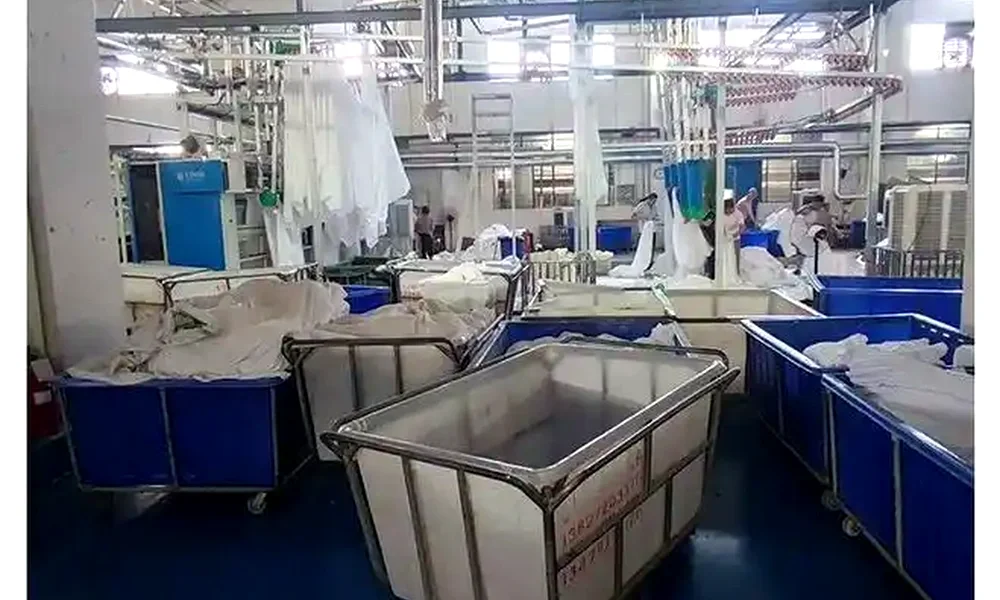
Modern commercial enterprises, hospitality chains, and healthcare networks demand verifiable sustainability records from their service partners. On-site treatment eliminates massive regional water waste, demonstrating corporate responsibility and easing regulatory audits.
Deploying robust integrated sewage treatment equipment provides the physical framework needed to secure ISO 14001, LEED building credits, and local green business accreditations. It ensures reliable effluent standards, protects local water tables, and secures long-term business continuity regardless of regional municipal water quotas or tightening drought restrictions.
How to Select and Implement the Right Wastewater Solution
Choosing the right setup means looking at your actual site conditions, discharge limits, and budget. Just as facilities evaluate what are the methods for treating electroplating wastewater before installing heavy-metal chemical treatment systems, commercial facilities must evaluate their specific flow rates, chemical loads, and reuse goals before buying equipment.
Assessing Daily Water Volume and Contaminant Loads
A successful project begins with an accurate operational audit. We start by gathering baseline data to avoid under-sizing or over-engineering the equipment:
- Peak and average flow rates: Measuring daily water discharge across different operational shifts to handle surges during wash cycles.
- Chemical oxygen demand (COD) and BOD: Determining the organic burden from soiled linens, greases, and detergents.
- Total suspended solids (TSS): Measuring lint, particulate matter, and microfibers in the raw effluent.
- Special contaminants: Testing for heavy soil loads, oils, or harsh chemical agents that demand specialized pretreatment.
System Engineering, Sizing, and Installation
Once we establish your baseline parameters, we engineer an integrated treatment train tailored to your footprint.
| Project Phase | Primary Focus | Key Deliverable |
|---|---|---|
| Sizing & Configuration | Equalization tanks, pump skids, piping | Flow balancing to prevent hydraulic shock |
| Physical Separation | Rotary screens and lint traps | Removing coarse solids before chemical stages |
| Advanced Polishing | Ultrafiltration or RO skid units | Integrating an advanced membrane filtration system for pure water recycling |
| Skid Assembly | Plug-and-play modular layout | Fast footprint installation with minimal downtime |
Our modular systems arrive pre-piped and pre-wired, fitting into tight utility rooms without disrupting current operations.
Operational Management, Membrane Cleaning, and Maintenance
Reliable operations require routine management protocols to protect sensitive filtration media and maintain consistent permeate quality:
- Automated backwashing: Regular reverse-flow cycles keep screen filters and membrane pores free of surface cake.
- Clean-in-place (CIP) protocols: Scheduled chemical washes dissolve mineral scaling, detergent residues, and biological fouling without manual teardowns.
- Sensor monitoring: In-line sensors track differential pressure, turbidity, and flow rates in real time, alerting operators before fouling causes downtime.
- Preventive checks: Routine inspections of dosing pumps, valves, and transfer lines ensure stable daily operations and consistent compliance.