Environmental protection equipment supplier

Baghouse Dust Collector Design Sizing and Filter Media Guide
What is a Baghouse Dust Collector and How Does It Work?
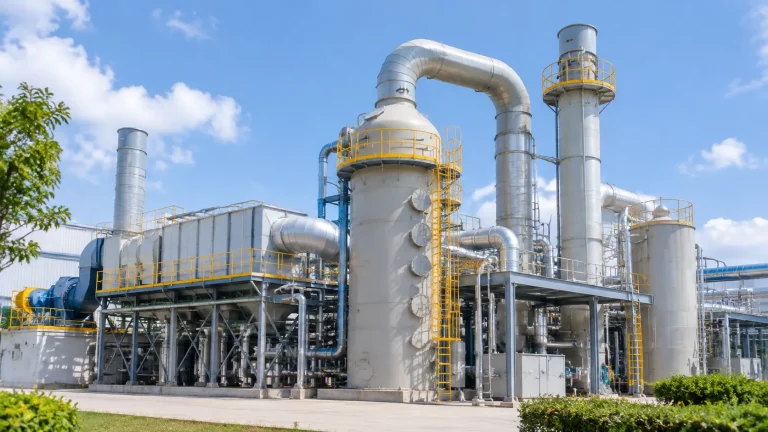
An industrial baghouse dust collector is an engineered air pollution control system that captures solid particulates from industrial airstreams. Using structural fabric filtration, these units intercept airborne dust, fumes, and combustion byproducts to maintain clean exhaust levels and ensure strict regulatory compliance.
Core Operating Principles of Industrial Baghouses
The working mechanism relies on continuous physical separation through a porous fabric membrane:
- Inlet Distribution: Dust-laden gas enters the baghouse housing via an intake duct and distributes across the dirty-air chamber. Heavy particulates lose velocity and drop immediately into the hopper.
- Surface Filtration: Finer dust migrates toward the cylindrical filter bags. The airstream flows through the media, depositing a porous dust layer (dust cake) on the exterior or interior surface of the bags.
- Clean Gas Exhaust: Cleaned air travels through the inside of the filters into the clean-air plenum and exits through the system exhaust fan and stack.
- Cake Dislodgement: As the dust layer thickens, system differential pressure increases. A targeted cleaning cycle releases the accumulated cake into the collection hopper below.
Key Components: Filter Media, Cages, and Cleaning Systems
Industrial baghouses rely on integrated mechanical, structural, and pneumatic components to maintain balanced airflow and structural integrity.
| Component | Engineering Function | Primary Specifications |
|---|---|---|
| Filter Media | Primary barrier for particulate capture and filtration | Woven fabrics or needle felts (Polyester, Nomex, PPS, PTFE, Fiberglass) |
| Support Cages | Prevents filter bag collapse under negative or positive pressure | Galvanized steel, 304/316 stainless steel with 8 to 24 vertical wire configurations |
| Cleaning System | Periodically clears the dust cake to restore optimal differential pressure | High-pressure compressed air pulse pipes, mechanical shakers, or low-pressure reverse-air fans |
| Tube Sheet | Precision-machined plate separating dirty and clean air plenums | Heavy-gauge steel plate with laser-cut bag collar holes |
| Hopper & Discharge | Funnels dislodged dust cake toward disposal or recycling | Steep valley angles (typically 60 degrees) paired with rotary airlocks or screw conveyors |
Primary Benefits of Baghouse Air Filtration
- Superior Collection Efficiency: Achieves up to 99.9% particulate collection efficiency, capturing particles down to sub-micron levels.
- Operational Stability: Handles varying dust loads and fluctuations in volumetric air volume (CFM) without sacrificing exhaust cleanliness.
- Continuous Online Cleaning: Pulse-jet designs clean isolated rows of filters while the unit remains fully operational, eliminating downtime.
- Heavy-Duty Construction: Built with heavy-gauge plate steel designed to resist extreme negative pressure, abrasive wear, and thermal stress.
Main Types of Baghouse Dust Collectors
Industrial dust collection relies on distinct cleaning mechanisms to maintain steady airflow and continuous particulate capture. The primary distinction between systems comes down to how the filter media is cleaned during operation. We engineer three primary configurations across industrial facilities: pulse-jet, reverse-air, and mechanical shaker systems.
Pulse-Jet Baghouse Systems
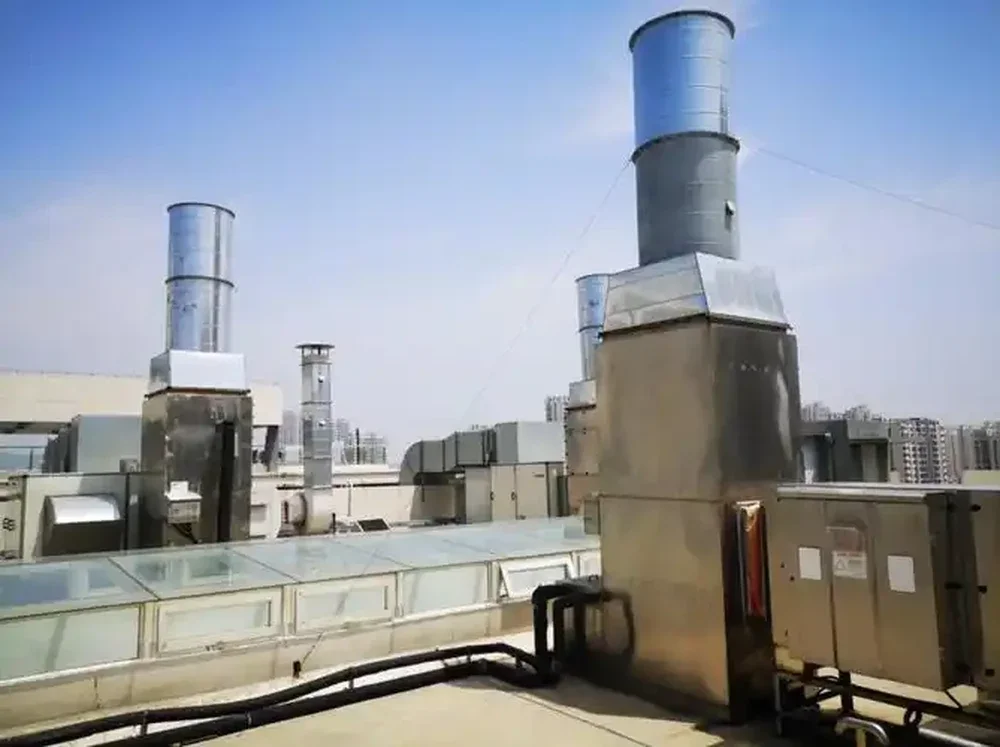
Pulse-jet units are the most widely used configuration in modern industrial air quality control. In our pulse-jet baghouse dust collector designs, high-pressure bursts of compressed air are directed down into cylindrical filter bags through an overhead blowpipe and venturi nozzle.
- Cleaning Method: Short, microsecond blasts of compressed air create a shockwave that flexes the fabric outward, dislodging the accumulated dust cake into the collection hopper.
- Continuous Operation: Pulse cleaning can occur “on-stream” while the compartment remains online, eliminating downtime for dust cake removal.
- Footprint Efficiency: These units operate at higher air-to-cloth ratios, allowing for a compact casing footprint and smaller baghouse dimensions for the same CFM throughput.
Reverse-Air Dust Collectors
Reverse-air systems utilize a gentle, low-pressure backwash of clean air to clean the fabric filters. We frequently configure these units for high-temperature and chemically demanding applications within large-scale waste gas treatment and industrial air pollution control workflows.
- Cleaning Method: A secondary reverse-air fan injects a low-velocity backflow through isolated compartments, causing the filter bags to gently collapse and crack the dust cake away from the interior walls.
- Offline Compartments: Cleaning must occur offline, requiring multiple isolated compartments with automated damper gates to divert the process gas flow during cleaning cycles.
- Media Protection: The gentle backwash flow drastically reduces mechanical stress, making reverse-air units ideal for fragile, high-temperature fabrics like woven fiberglass.
Shaker-Type Baghouses
Mechanical shaker collectors rely on physical agitation to free captured particulates from the filter surface. While an older engineering approach, shaker systems remain practical in remote or localized facilities where dry compressed air infrastructure is unavailable.
- Cleaning Method: A motorized oscillating rack shakes the top bag-hanging assembly horizontally or vertically to mechanically loosen collected dust.
- Offline Operation: Airflow through the compartment must be completely stopped before shaking; otherwise, incoming dust-laden air prevents particles from dropping into the hopper.
- Operational Profile: Because these units run at lower filtration velocities to prevent deep particle embedding, they require larger total filter areas and expanded structural footprints compared to pulse-jet units.
Baghouse Sizing and Engineering Calculations
Proper baghouse dust collector sizing guarantees steady airflow, prevents premature media blinding, and keeps your operational costs low. We base our system calculations on physical air volume, particulate load, and housing aerodynamics to deliver the exact performance your plant needs.
Determining Air Volume Requirements (CFM)
Calculating the correct volumetric flow rate in Cubic Feet per Minute (CFM) is the first step in sizing any baghouse dust collector:
- Capture Velocity: Determine the required air velocity at each pickup hood to keep dust entrained within the ductwork.
- Volume Conversion: Calculate the total air volume entering the system using actual operating conditions.
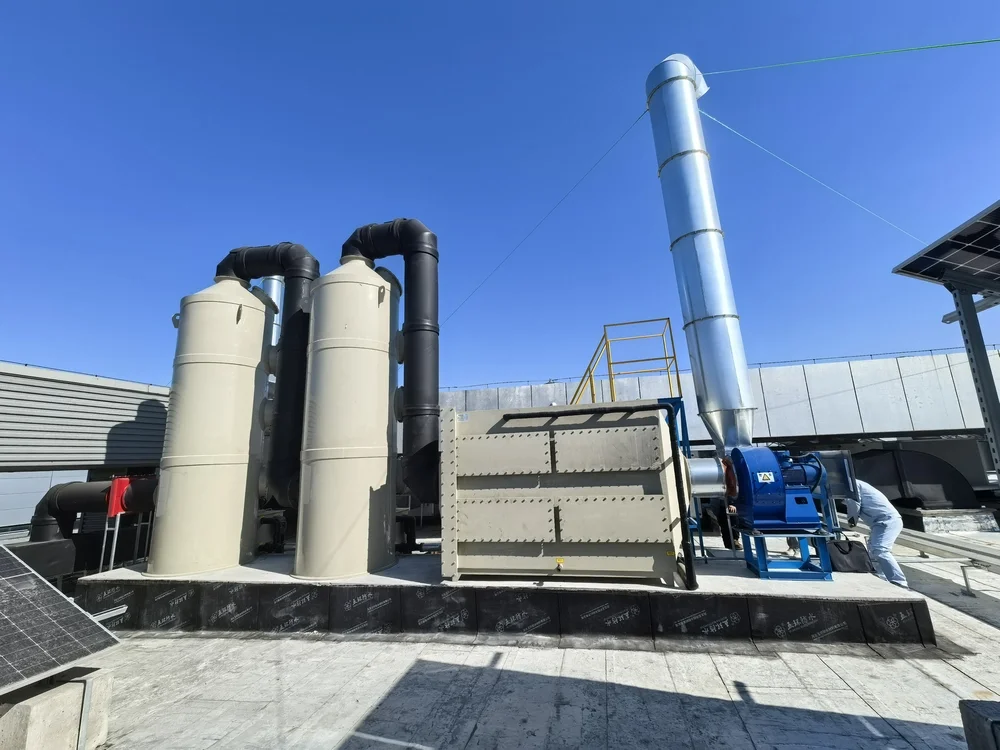
- Temperature and Pressure Adjustment: Always size the fabric filter based on Actual CFM (ACFM) rather than Standard CFM (SCFM). Process gases expand at elevated operating temperatures, significantly increasing the volume of air requiring filtration.
Understanding Air-to-Cloth Ratio (Filtering Velocity)
The air-to-cloth ratio (A/C ratio) defines the volume of air passing through each square foot of filter media per minute, expressed in feet per minute (FPM). Selecting the right ratio depends on your dust load, particle size distribution, and the cleaning mechanism used.
Calculate your total filter area with this straightforward formula:
Total Filter Area (sq. ft.) = Total Airflow (CFM) / Design Air-to-Cloth Ratio
| Dust Collector Type | Typical A/C Ratio (FPM) | Dust Load Applications |
|---|---|---|
| Pulse-Jet Baghouse | 3.0:1 to 5.0:1 | Medium to heavy industrial particulate, continuous online cleaning |
| Reverse-Air Unit | 1.5:1 to 2.5:1 | High-temperature gas scrubbing, light and fine fly ash |
| Mechanical Shaker | 1.8:1 to 3.0:1 | Coarse woodworking, metallurgy, intermittent cleaning |
Pushing your A/C ratio too high causes excessive dust penetration into the filter substrate, frequent cleaning pulses, and shortened bag life.
System Pressure Drop and Airflow Velocity Factors
Balancing velocity and differential pressure keeps the entire ventilation network running efficiently:
- Differential Pressure Drop (Delta P): Maintain a steady differential pressure across the tubesheet between 3.0 and 6.0 inches of water gauge (w.g.). A higher Delta P triggers continuous compressed air pulsing, spikes fan power usage, and increases operating costs.
- Can and Interstitial Velocity: The upward velocity of gas traveling between the filter bags must stay under control. We keep interstitial velocity below 200 to 250 FPM to ensure that dislodged dust falls straight down into the discharge hopper rather than getting pulled back onto adjacent filter bags during pulse-jet cleaning.
- Duct Transport Velocity: Maintain duct transport velocities between 3,500 and 4,500 FPM to prevent heavy particulates from settling inside your ductwork before reaching the collector inlet.
Filter Media Selection Guide
Choosing the correct filter media determines whether an industrial dust collection system runs cleanly or blinds within weeks. We evaluate gas stream chemistry, operating temperatures, moisture levels, and particulate behavior to specify fabric filters that maintain low differential pressure and extended operating life.
Types of Baghouse Filter Fabrics and Membranes
Baghouse fabrics split into two primary formats: non-woven needle felts and woven materials. Needle felts deliver deep particulate capture and are standard for pulse-jet systems. Woven fabrics serve low-energy cleaning mechanisms like reverse-air or shaker units. Adding specialized membranes alters filtration performance from depth-loading to surface-loading.
- Needle Felts: Layered synthetic fibers mechanically interlocked by needling. Provides high void volume and superior dust-holding capacity.
- Woven Fabrics: Interlaced yarns offering exceptional tensile strength. Ideal for high flex wear in mechanical shake cycles.
- ePTFE Membrane Laminates: An expanded polytetrafluoroethylene film thermally bonded to the felt face. It captures sub-micron dust directly at the surface, ensuring near-zero emissions and rapid cake release during pulsing.
- Surface Finishes: Plain, singed (for standard dry dust), glazed (for sticky dust release), or coated with water-and-oil-repellent (hydrophobic/oleophobic) fluorocarbon treatments.
| Media Material | Structure | Best Mechanical Cleaning Type | Surface Treatment Options |
|---|---|---|---|
| Polyester (PE) | Needle Felt | Pulse-Jet | Plain, Singed, Glazed, ePTFE Membrane |
| Polypropylene (PP) | Needle Felt | Pulse-Jet | Plain, Glazed, Oleophobic |
| Aramid (Nomex) | Felt / Woven | Pulse-Jet, Reverse-Air | Singed, ePTFE Membrane, PTFE Dip |
| PPS (Ryton) | Needle Felt | Pulse-Jet | Singed, Glazed, PTFE Impregnated |
| Fiberglass | Woven | Reverse-Air, Shaker | Acid-Resistant Finish, PTFE Membrane |
| P84 (Polyimide) | Needle Felt | Pulse-Jet | Singed, ePTFE Membrane |
Matching Media to Operating Temperature and Moisture
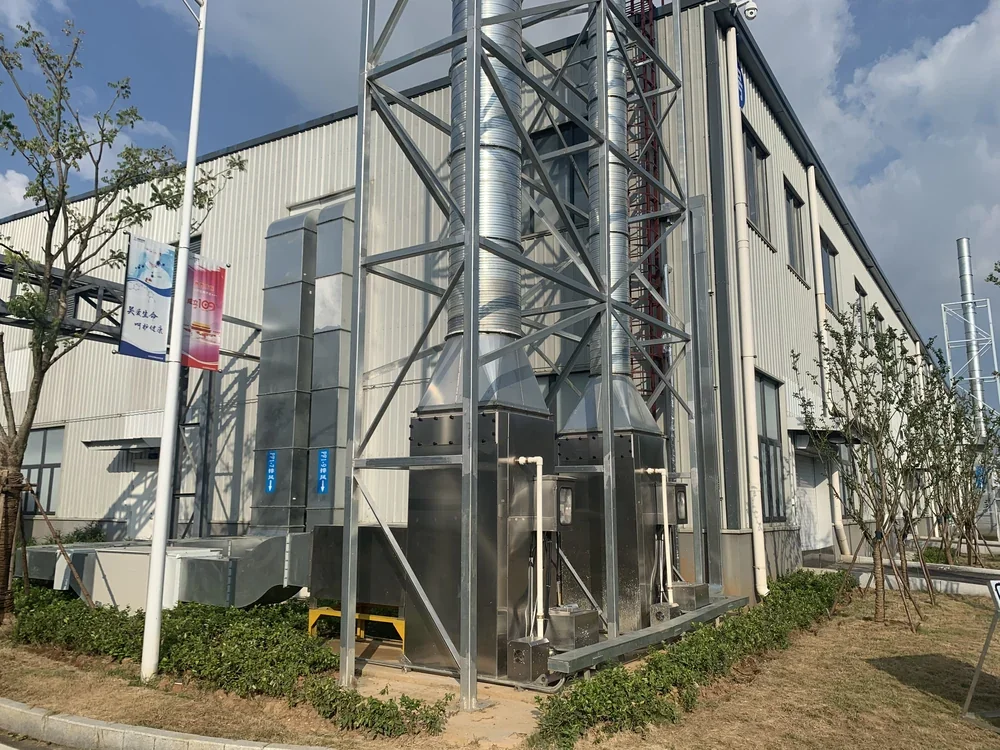
Gas stream temperature and dew point establish the operational window for any filter bag. Operating below the acid or moisture dew point causes interstitial mudding, bag blinding, and rapid corrosion of support cages. Exceeding thermal ratings triggers fiber degradation or catastrophic fabric shrinkage.
- Polyester: Handles continuous temperatures up to 275°F (135°C). Excellent for standard dry ambient dust, but vulnerable to moisture-driven hydrolytic breakdown at elevated temperatures.
- Polypropylene: Limited to a maximum operating limit of 194°F (90°C). Provides outstanding resistance in ambient, highly moist, or wet industrial processes.
- Nomex (Aramid): Continuous operation up to 400°F (204°C). Built for dry, high-temperature combustion processes like hot mix asphalt and cement production.
- PPS (Polyphenylene Sulfide): Operates reliably up to 375°F (190°C). Ideal for wet heat where sulfur oxides and high moisture are both present.
- P84 (Polyimide): Rated up to 464°F (240°C). Its multi-lobal fiber cross-section increases specific surface area to capture high volumes of fine, abrasive dust.
- Fiberglass and PTFE: Built for extreme thermal duty up to 500°F (260°C). PTFE provides complete moisture immunity across the entire thermal spectrum.
Chemical Resistance and Particulate Compatibility
Dust chemistry dictates media survival. Acid gases, alkalis, oxidizing agents, and abrasive mineral particles rapidly degrade the wrong polymer matrix.
- Acid Resistance: In applications like coal-fired boilers, metal smelting, and waste-to-energy plants, flue gases carry sulfur oxides (SOx) and hydrochloric acid. PPS, fiberglass, and pure PTFE deliver superior acid resistance. Standard polyesters fail rapidly in these environments due to acid hydrolysis.
- Alkali Resistance: Highly basic dust streams require polypropylene or acrylic fabrics. Avoid standard fiberglass when processing high-alkaline compounds, as it leads to fiber embrittlement.
- Oxidizing Environments: Nomex and PPS are sensitive to elevated oxygen levels (above 10–14% O2) combined with high temperatures. In heavy oxidative streams, transition directly to PTFE or specialized fiberglass.
- Explosive and Static-Prone Dust: For fine carbon, plastics, flour, or metallic dusts, we install anti-static media containing woven epitropic stainless steel or carbon fibers to bleed off static charges to the grounded collector tubesheet.
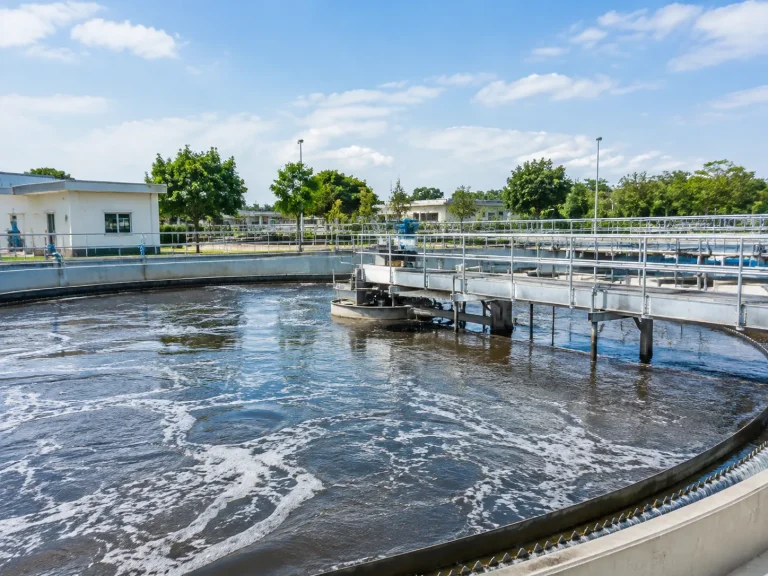
In industrial operations running wet chemistry scrubbers or handling high-moisture mineral recovery alongside dry baghouse lines, managing heavy metals and acidic wash streams requires proven wastewater treatment processes to protect mechanical plant assets. For secondary emission capture or pilot verification, integrating a compact laboratory environmental protection system helps verify corrosive gas concentrations before scaling full-size fabric filter installations.
Industrial Application Scenarios and Industries Served
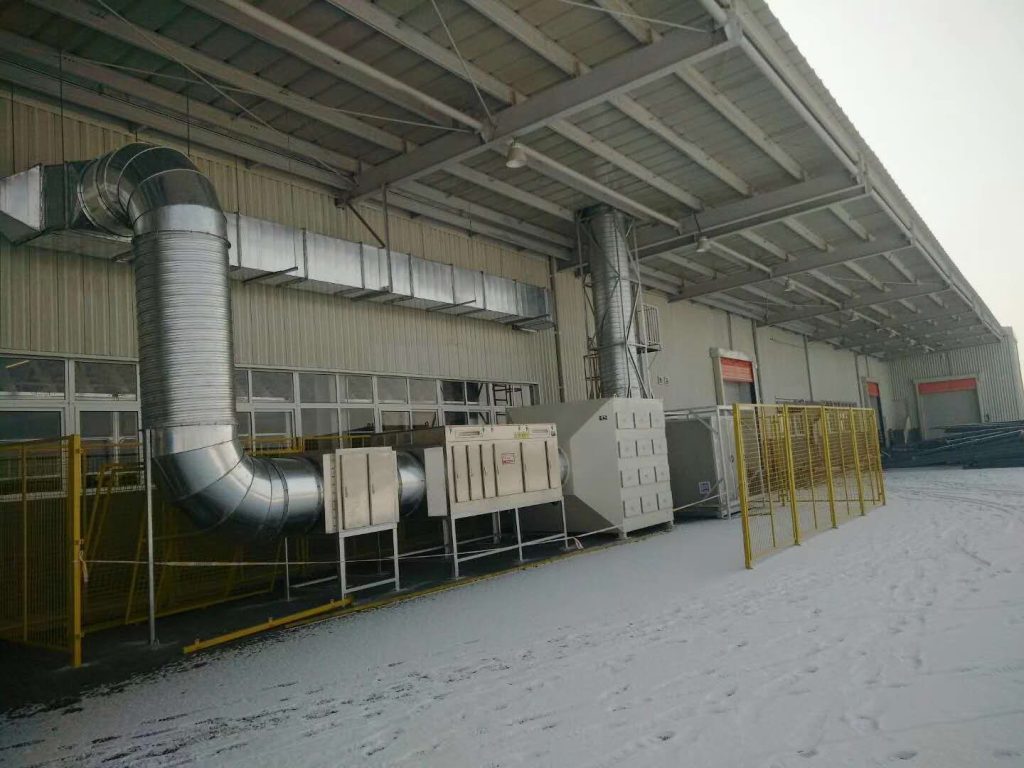
Different industrial operations generate vastly different particulate types, concentrations, and gas streams. We tailor every baghouse dust collector to match the specific operational reality of the facility, accounting for particle abrasive levels, moisture content, and environmental compliance targets.
Metalworking, Mining, and Woodworking Filtration
Heavy manufacturing environments require robust mechanical separation to handle high dust loads and abrasive particulate streams.
- Woodworking Facilities: Sawmills and furniture plants generate high-volume, low-density shavings and fine sawdust. We deploy high-CFM pulse-jet baghouses paired with explosion venting and spark-detection systems to safely manage combustible wood dust.
- Mining and Quarrying: Crushing, screening, and material transfer operations produce heavy, abrasive mineral dust. We use heavy-gauge steel housings and abrasion-resistant inlet baffles to drop coarse fractions directly into the hopper, protecting the fabric filter bags from excessive wear.
- Metal Fabrication and Foundries: Plasma cutting, welding, and shot blasting release dense, sub-micron metallic fumes. Our pulse-jet systems maintain a steady total filter area to capture fine metallic oxides while utilizing automated compressed air pulses to clear caked dust continuously.
Chemical, Pharmaceutical, and Food Processing Standards
Processing sanitary or reactive powders demands strict contamination control, precise air-to-cloth ratios, and specialized construction materials.
- Sanitary Compliance: Food and pharmaceutical manufacturing requires smooth interior finishes, 304 or 316 stainless steel contact surfaces, and quick-release filter cages to eliminate material entrapment and prevent bacterial growth.
- Process Air Quality: Fine chemical powders demand high collection efficiencies and anti-static media treatments to mitigate static discharge risks during conveyance. For specialized facilities balancing dust capture alongside strict environmental air standards, integrating advanced filtration with pharmaceutical animal room deodorization and emission management ensures clean, compliant exhaust across sensitive operating zones.
- Product Recovery: In many chemical blending operations, baghouses serve as direct process separators, capturing valuable active ingredients from pneumatic conveying streams without degrading the raw product.
High-Temperature Gas and Chemical Vapor Scrubbing
Thermal processing plants present harsh gas streams loaded with corrosive acids and extreme heat that would destroy standard filtration media.
- Combustion and Kiln Off-Gases: Cement kilns, biomass boilers, and metallurgical furnaces operate well above standard temperature thresholds. We configure these units with specialized woven fiberglass, PPS, or PTFE membranes engineered for continuous temperature resistance up to 260°C (500°F).
- Acid Gas Environments: Waste incinerators and coal-fired processes release flue gases containing sulfur dioxide, chlorides, and fluorides. In these systems, we match the filter substrate for high chemical resistance to avoid acid rot and hydrolysis, keeping differential pressure stable even under aggressive scrubbing operations.
Design Customization, Selection, and Maintenance Best Practices
A baghouse dust collector delivers reliable air pollution control only when configured for your plant’s specific layout, dust characteristics, and operating cycles. We approach design customization and ongoing upkeep as interconnected steps that protect equipment uptime, control emissions, and keep operational costs predictable.
Key Considerations for Custom System Design
Every manufacturing floor has unique physical and operational constraints. We evaluate several core factors when tailoring an industrial baghouse:
- Footprint and Headroom: System layout must account for maintenance access. Top-removal designs require adequate overhead clearance to pull filter cages and bags, while bottom-removal units require clean-air plenum space.
- Air-to-Cloth Matching: We size the total filter area against target CFM and dust load to ensure the filtration velocity prevents premature blinding of the fabric filter.
- Hopper Valley Angles: Hoppers must feature steep slope angles—typically 60 degrees or greater—paired with reliable rotary airlocks to prevent dust accumulation and bridging.
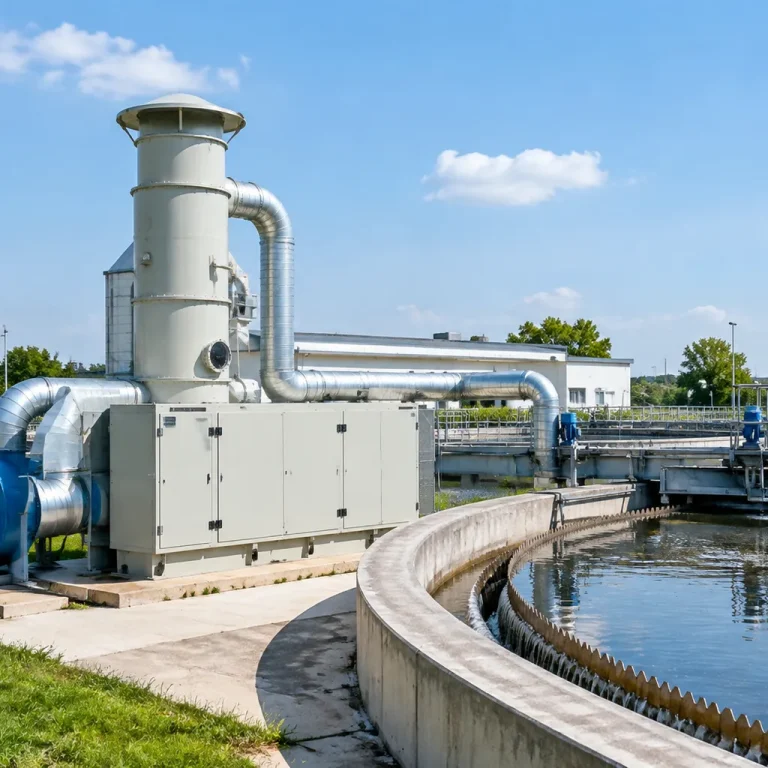
- Facility Air Integration: When designing exhaust routing alongside other industrial air systems, such as wastewater plant odor control equipment and processes, static pressure calculations must account for duct friction, hoods, and total system resistance.
Preventative Maintenance and Leak Detection Techniques
Routine inspections keep pulse-jet systems running smoothly and prevent unpermitted particulate bypass:
- Differential Pressure Monitoring: Tracking pressure drop across the tube sheet provides real-time insight into filter cake health. Normal baseline ranges remain between 3 and 6 inches water gauge. A sudden spike indicates blinded bags or failed cleaning pulses, while a sharp drop indicates torn media.
- Fluorescent Dye Leak Testing: We use fluorescent tracer powder injected into the dirty-air intake to pinpoint breaches. Once circulated, inspecting the clean-air plenum with a monochromatic UV light immediately reveals broken bags, poor seals, or cracked tube sheets.
- Compressed Air System Checks: Inspect pulse valves, pilot solenoids, and moisture drains regularly. Clean, dry compressed air at stable header pressure is essential for effective bag cleaning.
- Mechanical Integrity Audits: Check door gaskets, hopper discharge valves, and structural welds periodically to stop moisture ingress and ambient air leakage.
Evaluating Operational Costs and Filter Replacement Cycles
Long-term operating expenses often exceed the initial equipment purchase price. Balancing energy consumption against media durability is critical to minimizing the total cost of ownership:
| Cost Driver | Primary Impact | Optimization Strategy |
|---|---|---|
| Exhaust Fan Power | High static pressure spikes electric consumption | Maintain an optimal air-to-cloth ratio to prevent excessive differential pressure |
| Compressed Air Usage | Continuous pulsing consumes substantial plant air | Implement on-demand differential pulse cleaning instead of fixed-timer pulsing |
| Filter Media Replacement | Premature bag degradation drives high labor and downtime costs | Select media with proper temperature resistance and chemical resistance for your gas stream |
| Disposal and Downtime | Hazardous dust handling and changeout labor | Monitor bag life trends and schedule proactive batch changeouts during planned outages |